
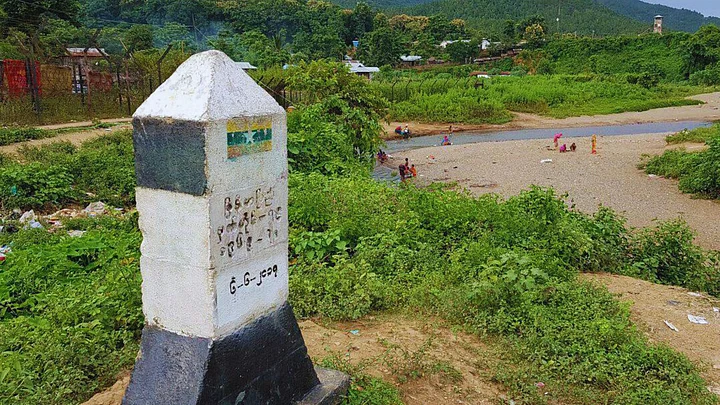
India's international boundary with Myanmar is around 1600 kilometres long. The Free Movement Regime (FMR), implemented by the Modi government in 2018 with the Burmese government, as the name suggests, allowed unhindered movement by people up to 16 kilometres on both sides.
Besides encouraging more interaction between the same ethnic communities living along the Indo-Myanmar border, it was also implemented with the hope of giving a fillip to India's ambitious Act East Policy. India’s eastern corridor, incidentally, is the only border through which overland trade is feasible, and the government wants a slice of the Southeast Asian markets that are currently dominated by China.
While the current conflict in Manipur, the insurgency in the Northeast, and the imbroglio in Myanmar might have compelled the government to think of halting the FMR, one wonders if its withdrawal would reap any significant benefits.
So, given these factors, will scrapping the FMR and fencing the borders be in India’s best interests?