
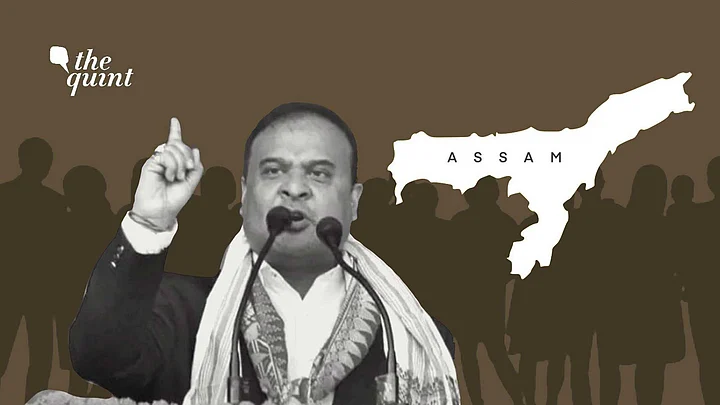
Assam Chief Minister Himanta Biswa Sarma recently said that his government was looking to find a legal definition for the ‘Assamese’ people. “We want a legal definition of Assamese in the context of the Assam Accord, especially Clause-6,” Sarma said. “Emotionally, all those who had been living in Assam for a long time, say two-three generations, are Assamese people. We cannot call them non-Assamese.”
But over three decades after the Assam Accord, the definition of the ‘Assamese’ people remains unresolved. This invites some thought on the measurements used to define who the Assamese people are and why people and institutions care so much about having a strict definition for them. Are they suggesting that we don’t know who we are, or that we need to limit the criteria of who can claim membership of the ‘Assamese’?
It is also a bit more than just an attempt to restrict the criteria and define certain measurements and references that are considered legitimate and primary – such as language, culture, religion – to claim membership of the Assamese community.