
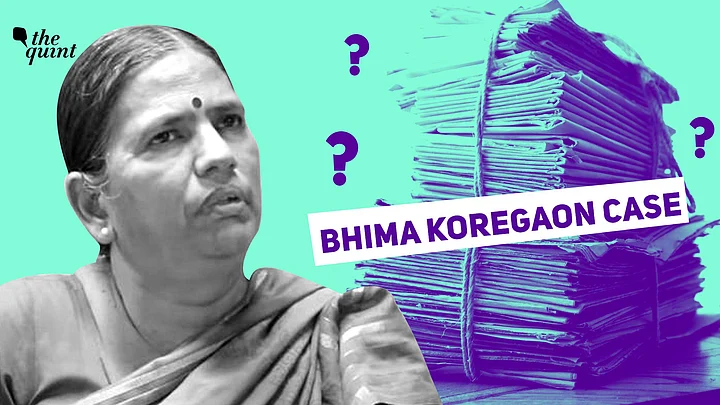
As soon as the Bombay High Court held on 1 December that Sudha Bharadwaj, the reputed activist and lawyer who is an accused in the Bhima Koregaon case, was entitled to be released on default bail, certain questions became inevitable.
First, how quickly would the NIA file an appeal against the judgment in the Supreme Court? (Answer: Very quickly, by the evening of 2 December)
Secondly, will the Supreme Court stay the high court's order before Bharadwaj is produced in the special NIA court in Mumbai for release on 8 December? (Answer: We don't know yet, but will know soon enough)
And thirdly, does this decision – particularly its finding that the judges who passed various pre-trial orders in the case did not have the authority to do so – affect the Bhima Koregaon case as a whole, going forward?
The answer to this third question initially seems like a straightforward 'No'. But when we delve into it a bit further, we find that the issues raised in this order could impact the fate of this controversial case.