
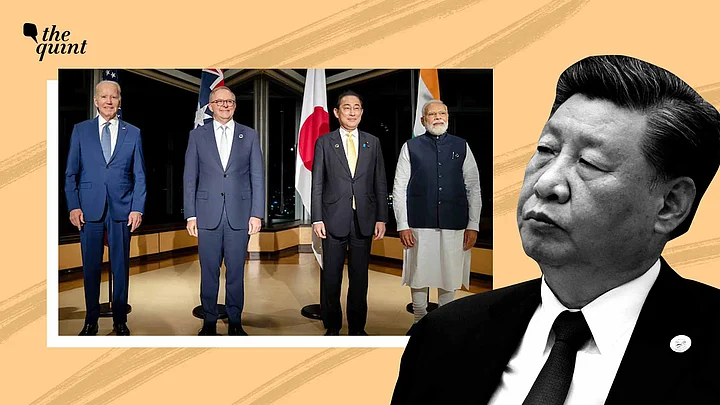
Summit-level meetings among the leaders of the world’s major nations (democracies) crowded the calendar in the latter half of May and India was a special invitee at the G7 deliberations in Hiroshima that concluded on Sunday, 21 May.
The Hiroshima meeting was to be followed by two other summits – one relating to the Pacific Islands and the other to the four-member Quadrilateral Security Dialogue (Quad) that Australia was to host. However, domestic compulsions related to a looming fiscal crisis forced US President Joe Biden to cancel the post-Hiroshima leg, though the US was represented at the Secretary of State level in Papua New Guinea (PNG).
However, the Quad nations ( Australia, India, Japan, and the USA) met on the sidelines of the G7, and the joint statement issued on 20 May by the four leaders is a significant indicator of reiterating their collective resolve to uphold international law and ensure that the Indo-Pacific remains a free and open domain.
The subtext here is a reference to China’s revisionist stance in the South China Sea and intimidation of Taiwan. Consequently, the China thread at the Hiroshima deliberations (G7 and Quad) and the US-China bilateral relationship merit preliminary analysis, given the multi-layered implications for India.