
Only once in India's recent history has it got dragged into a conflict as a sequel to its backing of an ethnic minority struggle in a neighbouring country. Having backed the Tamil separatist movement with moral and material support for four years, the sudden change of Delhi's Sri Lanka policy led to Rajiv Gandhi's disastrous military adventure.
The Indian Peace Keeping Force or IPFK took huge casualties trying to tame a Tiger created by its own intelligence services at the behest of Rajiv's mother Indira Gandhi.
Mrs Gandhi had brought Sikkim into India and backed the Shanti Bahini rebels of the Chakma-Marma-Tripuri tribes in Bangladesh's strategic Chittagong Hill Tracts (CHT) in what was seen as a punitive move against Bangladesh's military rulers responsible for the assassination of India's great friend Mujibur Rahman in 1975.
After twenty years of backing the Shanti Bahini, India got a deal going between them and the Sheikh Hasina government in 1997 that brought the curtain on 20 years of insurgency. CHT is in ferment again. The Bangladesh army keeps pushing Muslim re-settlers into the Buddhist-Hindu tribal region in a bid to change its demography. But by brokering a deal between Dhaka and the Shanti Bahini leadership, India managed to extricate itself from CHT.
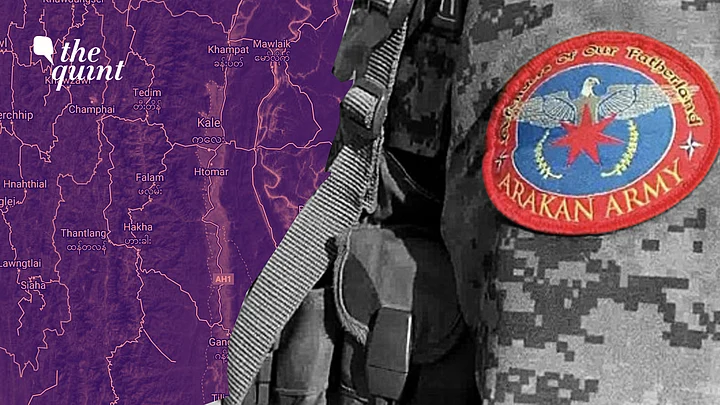
Indian intelligence backed the MQM in Sindh and the Baloch rebels in Balochistan in a tit-for-tat for Pakistan's backing of Kashmiri and Khalistan Sikh insurgents. It also backed for a while the Kachin, Chin and Arakanese rebels in Myanmar during the 1990s to counteract the Northeastern rebel presence in these borderlands where the Burmese army had no control.
But in none of these shadow war theatres did India get dragged into a costly military adventure or an embarrassing covert offensive which might backfire.