
A slew of developments taking place over the past four years in Jammu and Kashmir has brought to the fore new realities about the way policing happens in the former state. Immediately after the February 2019 suicide attack on the Central Reserve Police Force (CRPF) motorcade, the Union government stepped up a more organised crackdown against separatists and militant associates.
In hindsight, this was understood as a prelude to the repeal of J&K’s special status. But after the August 2019 episode, many elements of this crackdown have only broadened and, if critics are to be believed, become more arbitrary.
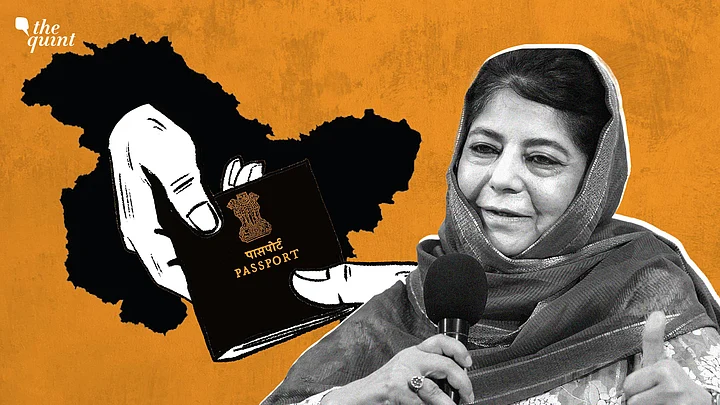
What is becoming increasingly frequent is the trend of barring certain individuals, mostly politicians, journalists, and activists in J&K from leaving the country. Recently, a special National Investigative Agency (NIA) court in Srinagar denied permission to Waheed ur Rehman Para, a political leader from South Kashmir’s Pulwama region, from travelling to the United States to attend Yale Peace Fellowship, in 2023 this year.