
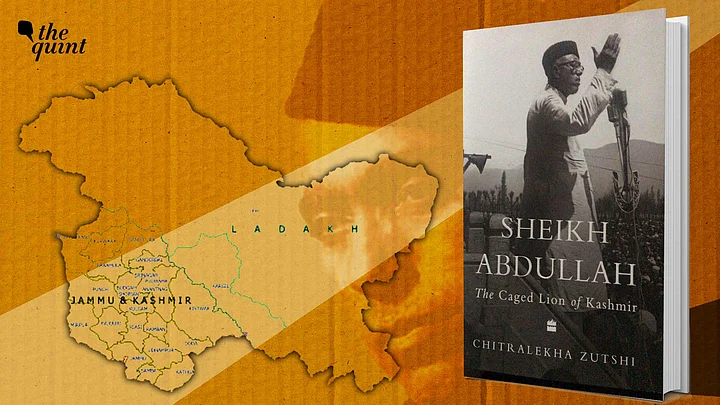
In 1947, Jammu and Kashmir's accession to India took place amidst extraordinary circumstances as the tribal raiders from Pakistan swept through the Western part of the state, and India – upon the request of J&K’s embattled last monarch – sent its military to clear out the invading force. It did so on the condition that J&K must join India.
But Jawaharlal Nehru – the country’s first Prime Minister – had a foreboding that bringing a Muslim-majority region under the country’s administration at a time when the sub-continent was being sundered along religious lines, was going to be an exercise fraught with many dangers.
His apprehension could have only been assuaged by one man: Sheikh Abdullah, J&K’s most influential leader in 1947 whose political genius as a leader capable of taking on the State’s repressive Dogra monarchy, had led him to a considerable sway over Kashmiri Muslims.