
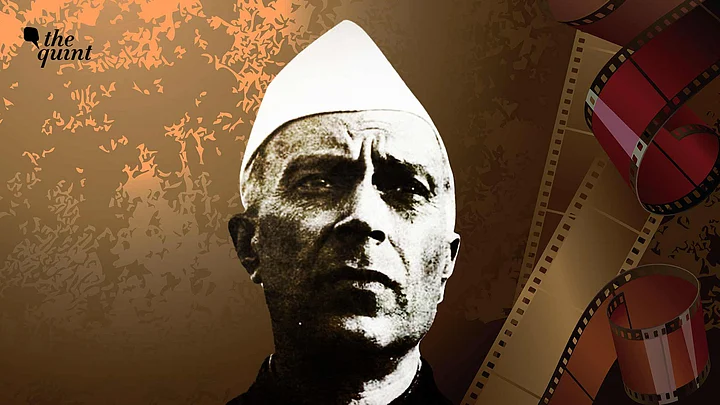
Jawaharlal Nehru was not just India’s first prime minister but also its conscience keeper. Healing the wounds of the nation with his egalitarian spirit, the giant visionary built an inclusive India that embraced every religion, caste, ethnicity, and language, thus, ensuring the new Republic would survive beyond the unfortunate events of partition. Despite regular military uprisings and dictatorships along its borders, if democracy has dug deep into Indian soil, it is all thanks to Nehru’s exemplary upholding of secular values enshrined in the Constitution.
Nehru’s tireless zeal for freedom, equality, and justice for all citizens acted as an adhesive for our "unity in diversity”, safeguarding the peaceful co-existence of multifarious languages, lifestyles, customs, traditions, and religious practices in India. His liberal outlook made such an indelible impression on the various artistic domains that a substantial number of progressive writers, lyricists, painters, musicians, and filmmakers created "works” that not just strengthened the secular fabric but also provided Indian sub-continent with societal and cultural identities that are acknowledged the world over as “Hindustaaniyat” (Indianness).
So profound was the influence of Nehru’s humanism that it became the bedrock of numerous meaningful Hindi films and it is my steadfast belief that secularism has survived in India largely due to the sacred composite culture propagated by Hindi films and songs. If millions of Indians still practice secularism in their daily lives, it is because of the overriding impact of the Nehruvian ideal of universal brotherhood that permeated through Hindi film scripts and lyrics, nourishing friendship and goodwill in spite of lies and hate spread by devious right-wing megalomaniacs.