
In October this year, 20‑year‑old Abhi Salaria had called his parents just a day before they received the tragic news of his death.
Even as they grappled with grief, the family endured a more than two‑week wait for his body to be repatriated from the US to their home in Gurdaspur, Punjab.
"When a sudden death strikes a family, they're completely lost. They don't know what to do," says Mohan Nannapaneni, founder of Team Aid, a US-based non-profit organisation which has been facilitating the repatriation of mortal remains to India since 2017. "It's especially a traumatic situation for a family living thousands of miles away."
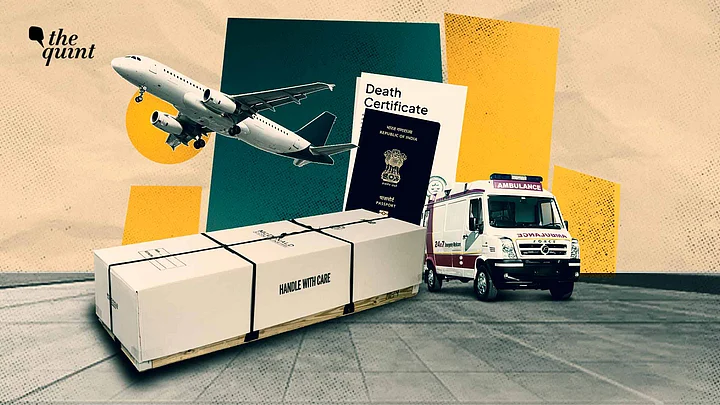
So what really happens when an Indian citizen dies abroad, and how does a bereaved family navigate the painful stages of bringing the body back home?
For some, the process is "easier", for lack of a better word. For others, it can be lengthy, complicated, and dictated by factors beyond the family's control which could further prolong their distress. The delay in Salaria's case, for instance, was caused by the absence of a physical passport—a requirement for Indian authorities until very recently to admit a body into the country.