
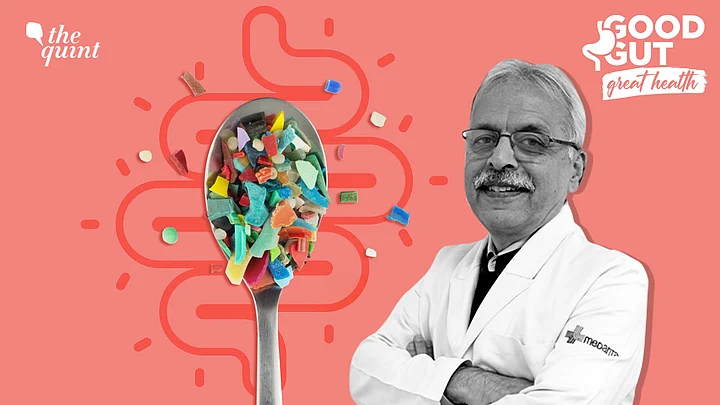
(This article is the first of a series by gastroenterologist Dr Ashwini Setya, in which he unpacks how lifestyle, environment, diet, and hidden exposures affect your gut health.)
The journey of plastic from its invention and its first use for Billiards balls in 1860 to the discovery of its infiltration into the human body is interesting but scary all the same.
In our modern world, plastics are ubiquitous. From the food we eat to the clothes we wear, these versatile polymers have become an integral part of our daily lives.
But plastics are invading our bodies silently, and as more research emerges, the scale of their impact is proving to be far greater than we could have imagined.
The manufacturing process of various kinds of plastics itself releases toxic pollutants into the air, which we inhale and ingest causing respiratory and gut problems, among others.
However, the most insidious threat to human health comes from the chemicals that are added to plastics to give them specific properties suitable for making various kinds of plastics, including ‘food grade’ plastic containers for food.
How Plastics Enter Our Food, and What They Do to the Gut
If one looks around, one finds that plastics come in contact with food at every stage from harvesting to consumption; whether it is packaging of raw food, or processing and packaging of processed food and drinks, cooking in non-stick cookware, reheating in microwave or using plastic cutlery and polystyrene plates, or for that matter, drinking water from the plastic bottle directly.
Once the food comes in contact with the plastics, regardless of the type, leaching or migration of plastics into the food is a given, especially when plastic containers are heated or exposed to acidic or fatty foods.
Many of these additives, such as phthalates and Bisphenol A (BPA), are known as endocrine disruptors.
They mimic our body's hormones especially Oestrogen, which interferes with normal functions and leading to a cascade of health issues, especially the reproductive function.
Interestingly, this hormone imbalance can affect various bodily functions, including metabolism, and lead to problems like insulin resistance and fatty liver disease.
The gut is our "second brain," a complex ecosystem of microorganisms known as the gut microbiome, which plays a vital role in digestion, metabolism, immunity, and even mental health.
Microplastics (under 5mm) and nanoplastics (smaller than 1 micrometre) can enter the body via food, water, and air, potentially causing gut health problems.
They do so by disrupting the gut microbiome, damaging intestinal cells and their protective barriers causing ‘leaky gut’, and triggering inflammatory responses which is a known risk factor for chronic diseases like obesity, diabetes, and cardiovascular conditions.
They can also accumulate in the gut, act as "Trojan Horses" to carry other contaminants, and potentially translocate to other organs, including the brain.
The presence of microplastics in the gut can also induce oxidative stress. This occurs when there's an imbalance between the production of harmful free radicals and the body's ability to neutralise them with antioxidants.
Oxidative stress can damage cells and DNA, further exacerbating inflammation and compromising the function of the gut lining. All these mechanisms may potentiate one another.
As can be seen, exposure early in life effects the health of children in more ways than one because of everchanging microbiome and continued inflammatory onslaught on the gut.
Metals Aren't Always a Safer Option
An alternative is to use metal utensils where possible. In fact, aluminium has been a popular choice for cooking, serving and cutlery for centuries.
The small amount of aluminium ingested through the use of aluminium cookware is generally not considered harmful. For the most part, aluminium is not absorbed by the gut in the way nutrients such as iron or calcium are. According to the US Centers for Disease Control and Prevention, it passes through the body very quickly, and any small amount that is absorbed is rapidly eliminated.
But metals can leach into food from various packaging materials—such as uncoated aluminium foil, tin cans, and even certain printing inks on paperboard—and excessive exposure can affect gut health.
These metals act through a process called bio-accumulation and oxidative stress and cause all the damage via same mechanisms as the plastics.
Recent studies suggest that higher levels of this metal in food can strain gut health by disrupting key biological processes, potentially increasing the risk of inflammatory bowel disease. One such effect is the suppression of beneficial probiotic bacteria, which can upset the gut’s natural balance.
The gut-brain axis, the communication pathway between our gut and brain, can also be affected, potentially leading to neuroinflammatory consequences, especially in the brain.
Protecting Ourselves
Avoiding plastic entirely is nearly impossible in today’s world, but there are protective measures that can help reduce how much plastic (and excess aluminium) we ingest in everyday life.
Reduce Plastic in Food and Water: Go for glass, stainless steel, or ceramic containers for storing and heating food.
Avoid microwaving food in plastic containers.
Store water in non-aluminium metal bottles.
Replace plastic cutting boards and utensils with wood, metal, or silicone alternatives.
Never use aluminium foil to cook acidic foods (like tomatoes, lemons, or vinegar), as acid significantly accelerates metal leaching.
Once a metal can is opened, transfer the contents to a glass or ceramic container. The introduction of oxygen accelerates the corrosion of the inner metal wall.
Once a metal can is opened, transfer the contents to a glass or ceramic container. The introduction of oxygen accelerates the corrosion of the inner metal wall.
Many clothes, such as those made from polyester or nylon, are a source of microplastic fibers. Opt for natural fibers like cotton, wool, and linen whenever possible.
Question the necessity of single-use plastics, especially in food packaging. Look for products with minimal or no plastic packaging, and support businesses that prioritise sustainable alternatives, even if a little more expensive to use.
Although recognising the gravity of the plastic crisis, the Indian government has taken steps to regulate its use through the Plastic Waste Management (Amendment) Rules, 2021, the ground reality in India is complex and far from a complete success.
While some urban areas have shown a visible reduction in the use of single-use plastics and an increase in public awareness, in many smaller towns and rural areas, illegal production and use of banned plastic items continue unchecked, often due to a lack of resources for enforcement.
The need of the hour is a fundamental shift in consumer behaviour and a collective commitment from all stakeholders—from policymakers to the common citizen—to secure a healthier and more sustainable future.
(Dr (Prof) Ashwini Kumar Setya, MD DM PGDMLE, is a Senior Consultant at Medanta Institute of Digestive & Hepatobiliary Sciences and Holy Family Hospital, New Delhi. This is an opinion piece and the views expressed above are the author’s own. The Quint neither endorses nor is responsible for the same.)