
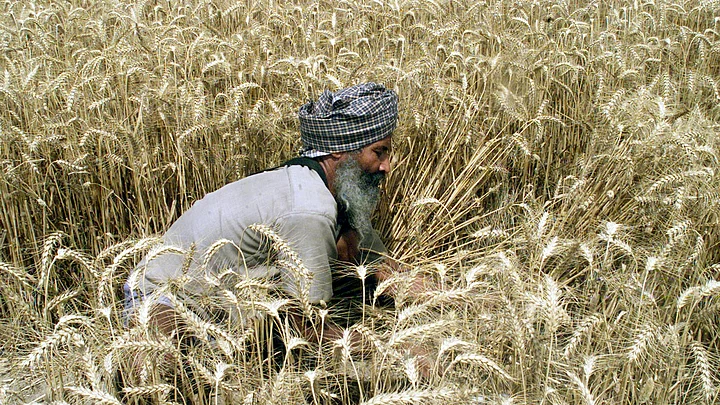
(The ban on wheat exports announced by the Central government recently has divided public opinion. The Quint brings to you expert views on the step’s implications for both farmers and consumers. This is the View. You may like to read the Counterview by Deepanshu Mohan here.)
The ban on wheat exports imposed on 13 May is meant to aid the government’s procurement effort and force the offloading of private stocks to tamp down prices, which have been buoyed by reduced domestic production and high international prices.
Opposition parties, pro-market economists, commentators and farmer union leaders have criticised the move for denting India’s credibility as a reliable supplier and for making farmers share with taxpayers the burden of subsidising poor consumers.
But farmers may have to see this as payback time because the government’s open-ended procurement policy and restriction on imports had propped up domestic wheat prices for 19 quarters, starting from the first quarter of 2016.