
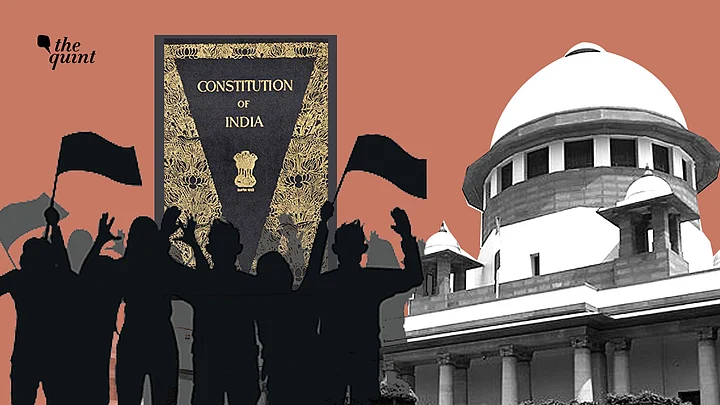
There is no shortage of challenges when a nation takes up the task of rewriting its Constitution. The new document has to meet a standard of omnipotence: it must speak for today but also for the future, it must speak for a collective unity but also be individually empowering. In the middle period of a post-colonial world, where opportunities to study the writing of a new Constitution are rare, Chile’s redrafting of its constitution is a refreshing take on constitutionalism for a modern society. A good refresher on reasons for overhaul, mechanisms for change, and the nature of rights to be recognised.
Regardless of the outcome of the public referendum on 4 September, the Chilean exercise leaves us important lessons for constitutional development.