
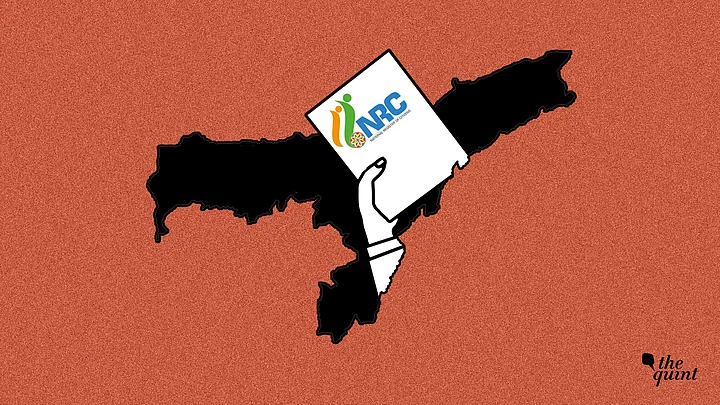
Judges in India rarely have a public persona beyond the one they present in court and through their judgments. So it is always refreshing to read their speeches in public fora such as the recent one delivered by the outgoing Chief Justice of India (CJI), Ranjan Gogoi. The occasion was the release of a book on the post-colonial history of Assam by journalist Mrinal Talukdar, and pre-empting the obvious questions perhaps, Justice Gogoi took to the issue of National Register of Citizens (NRC) with the intent of a heavy-weight boxer at a weigh-in.
We live in changing times, and so I will not repeat the tired cliche that sitting judges should not talk about their judgments outside of the actual judgment itself. It was a norm developed at a time when the work of common law judges was rarely the subject of public scrutiny beyond a small, elite circle, and certainly not developed in the context of a contentious constitutional culture that has to make sense of India’s contradictions.