
ADVERTISEMENTREMOVE AD
Members Only
lock close icon

April, Indira, and Nationalisation of Grain: The Failure of 'Hard Socialism'

Her least talked about blunder is the decision to “nationalise” the wholesale trade in food grains in April 1973.

Published: 
story-hero-img
i
Aa
Aa
Small
Aa
Medium
Aa
Large

(This is part two of a four-part 'April' series that revisited significant historical events or policies and how the lessons learned from them continue to be of relevance in present-day politics and society. Read the part one here, part three here, and part four here.

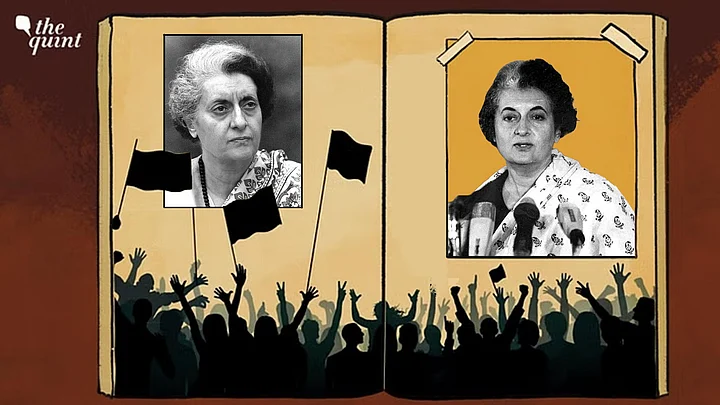
The transformation of the late Indira Gandhi from a Goddess Durga-like figure in 1971 to an unpopular autocrat who imposed the Emergency in 1975 is a case study of historical blunders. In hindsight, contemporary historians and pundits talk more about her political missteps that led to mass protests against her regime. But the real blunders she committed after her famous election victory in 1971 were in the arena of economic policy making.

Arguably, her least talked about historical blunder is the decision to “nationalise” the wholesale trade in food grains in April 1973. The reverberations of that decision are still felt in India after 50 years. There are three aspects here.

Become a Member to unlock
  • Access to all paywalled content on site
  • Ad-free experience across The Quint
  • Listen to paywalled content
  • Early previews of our Special Projects
×
×