
ADVERTISEMENTREMOVE AD

The Truth About 'Sleep Debt': Can You Ever Really Pay It Back?

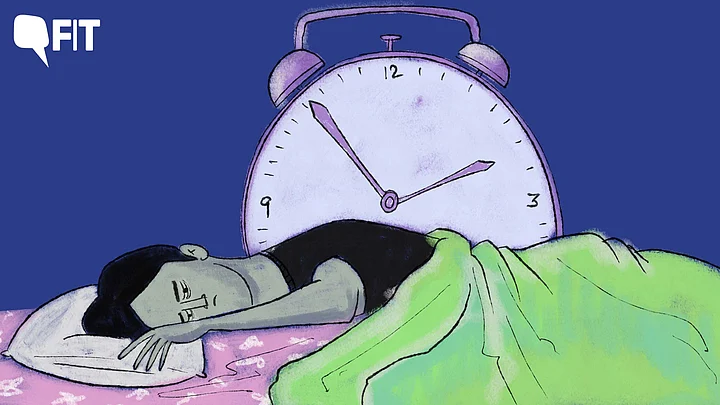
Sleep debt is real, but how your body handles the repayment process isn't as simple as balancing a bank account.

Published
story-hero-img
i
Aa
Aa
Small
Aa
Medium
Aa
Large

We’ve all been there. After a relentless week of late nights, early alarms, and endless scrolling, Friday night finally arrives. You collapse into bed, set your alarm for noon, and tell yourself: “I’ll just sleep in this weekend to catch up.” 

It feels like a flawless financial transaction. You owe the body ten hours of sleep, so you deposit ten hours over Saturday and Sunday, balance restored, right? Not quite. 

The concept of "sleep debt" is real, but how your body handles the repayment process isn't as simple as balancing a bank account.

Here is what actually happens when you try to pay back lost sleep, what science says about "catch-up" sleep, and how to actually reset your internal clock.

ADVERTISEMENTREMOVE AD

What Exactly Is Sleep Debt? 

Sleep debt, also known as a sleep deficit, is the cumulative difference between the amount of sleep your body needs and the amount you actually get

If your baseline requirement is 8 hours of sleep a night, but you only sleep 6 hours every weekday, you accumulate a 2-hour debt each night. By Saturday morning, you are sitting on a 10-hour sleep debt

Unlike credit card debt, where the bank sends you a polite statement, sleep debt shows up in subtle, cumulative ways.

  • Mood swings, irritability, and heightened stress 

  • Weakened immune function 

  • Sugar and carb cravings caused by disrupted hunger hormones (leptin and ghrelin) 

Can You Really "Pay Off" Sleep Debt? 

The short answer is yes, but only to a point, and not the way most people try to do it. 

Research shows that while extra sleep can reverse some immediate effects of sleep deprivation (like feeling groggy or exhausted), it cannot fully undo the deep biological stress caused by chronic, long-term sleep loss. 

  • Short-Term Debt (A Night or Two) 

If you stayed up late to finish a project or catch a midnight flight, your body is remarkably resilient. You can recover from a short-term deficit by adding an extra hour or two of sleep over the next couple of nights or taking a brief nap. 

  • Chronic Debt (Weeks, Months, or Years) 

If you have been running on 5 or 6 hours of sleep for months, binge-sleeping on the weekend won't magically wipe the slate clean. Studies show that while a weekend sleep-in might make you feel momentarily refreshed on Monday morning, your cognitive performance, attention span, and metabolic health remain compromised. 

The Recovery Timeline: How Long Does It Take?

If you find yourself deep in sleep debt, don’t panic. It doesn’t mean all is lost or that you’re doomed to permanent exhaustion. Instead of drastic weekend sleep marathons, use gradual, sustainable strategies to help reset your body.

Here’s a quick recovery game plan:

  • Take short 20–30 minute naps when possible. 

These can help restore focus without leaving you feeling groggy from deeper sleep. A 20-to-30-minute power nap between 1:00 PM and 3:00 PM can help restore alertness and cognitive function. Keep it under 30 minutes to avoid entering deep sleep, which leaves you feeling groggy upon waking. 

  • Go to bed earlier. 

Even shifting your bedtime 30–60 minutes earlier than usual can help you gradually repay some of your sleep debt without significantly disrupting your sleep rhythm.

  • Maintain a consistent wake time. 

Your body craves predictability. Waking up at roughly the same time each day helps keep your circadian clock anchored and supports a more stable sleep schedule. Anchoring your morning alarm stabilises your natural sleep pressure, making it much easier to fall asleep at night. 

Final Thoughts: Prevention Over Repayment

Sleep isn't a luxury or an administrative task you can put off until Saturday morning. It is a biological necessity, just like hydration and nutrition. 

While your body is remarkably adaptable and will accept short-term recovery sleep, the ultimate goal should always be consistency over catch-up. Treat your sleep schedule like an important daily appointment with your health. Your mind, mood, and body will thank you every morning. 

(Dr Manvir Bhatia is a Senior Neurologist and Sleep Specialist with more than 30 years of experience. She is the Director of Neurology Sleep Centre, New Delhi.)

Speaking truth to power requires allies like you.
Become a Member
Monthly
6-Monthly
Annual
Check Member Benefits
×
×