

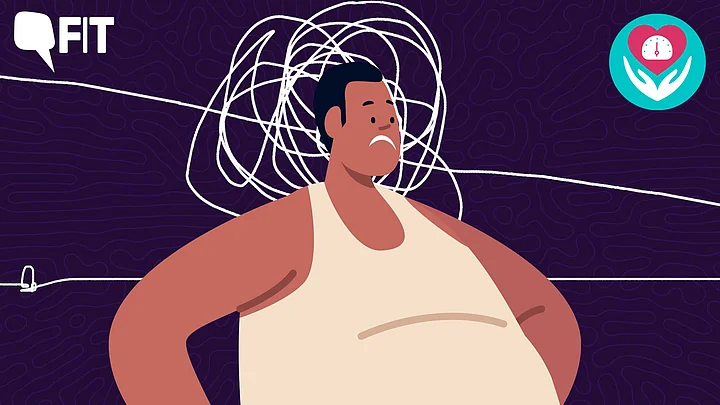
People who have extreme obesity are five times more likely to "have experienced an episode of major depression" than people with an average body weight — this is what a 2018 study, titled The Psychosocial Burden of Obesity, suggests.
The researchers of this study also found that "approximately one-third of the candidates who opt for bariatric surgery report clinically significant symptoms of depression at the time of surgery, whereas about 50 percent report a lifetime history of depression."
For the longest time, the health implications of obesity were only associated with the physical consequences it often leads to – diabetes, heart disease, stroke, osteoarthritis, among others. The mental health effects of obesity have often been overlooked.