
The Quint is telling the full story of how climate change is reshaping lives in India. Help us do more. Become a member.
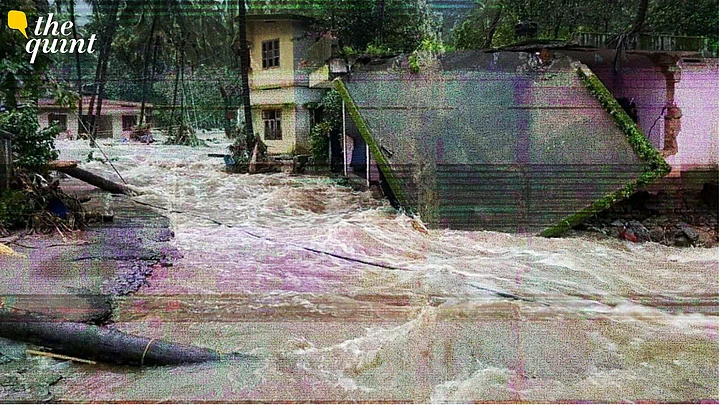
The first week of July offered a stark reminder that the southwest monsoon is both India's greatest natural asset and one of its most powerful natural forces. Torrential rain battered the Western Ghats from Kerala to Maharashtra, triggering landslides and flash floods.
In Wayanad, a landslide struck a tunnel construction site, while in Maharashtra, the Sahyadri ranges witnessed some of the most intense rainfall in recent decades, leaving highways blocked, railway services disrupted, and several villages temporarily cut off.
At first glance, these appear to be separate disasters unfolding in different states. They are not. They are linked by the same mountain chain, the same monsoon system, and a changing climate interacting with an increasingly modified landscape.