T20 World Cup: India Maintain Record of 0 Defeats, Abhishek Stuck With 0 Runs
T20 World Cup 2026: India remain uncontainable, while Abhishek Sharma's returns contain a duck for the third time.
advertisement
Twelve years ago, Gautam Gambhir began a competition with three consecutive ducks. Leading the Kolkata Knight Riders, he failed to score in any of his first three matches in the 2014 Indian Premier League.
In the history of the ICC Men’s T20 World Cup, only two players had scored three consecutive ducks in their first three innings till yesterday. One of them being Uganda’s Roger Mukasa, and the other is Ashish Nehra — who, ironically, had offered Gambhir a duck preparation during IPL 2014 to ensure the KKR captain’s streak of ducks comes to a halt.
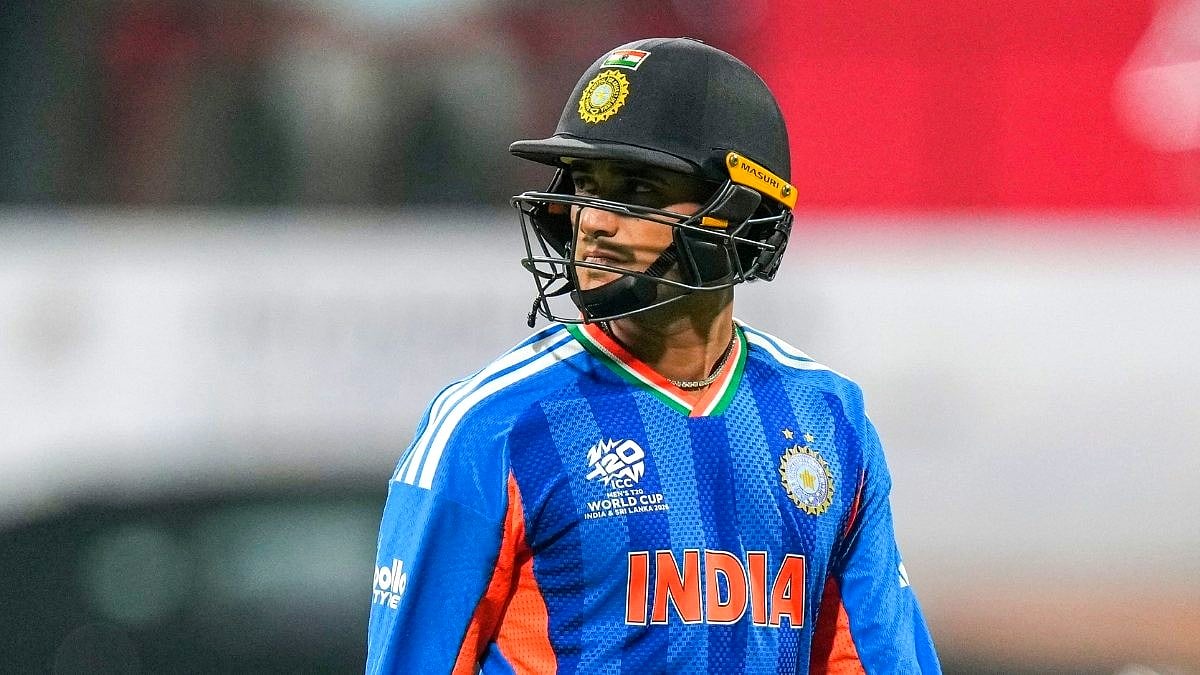
Now, Nehra and Mukasa find themselves in unexpected company — that of the world’s No. 1 ranked T20I batter, Abhishek Sharma. After failing to trouble the scorers against the United States and Pakistan, Sharma fell for a three-ball duck to Aryan Dutt in India’s 17-run victory over the Netherlands on Wednesday, 18 February, at the Narendra Modi Stadium in Ahmedabad.
Can Abhishek Sharma Do a Gautam Gambhir?
Only recently, Sharma played one of his many incredible knocks — a 35-ball 84 against New Zealand in Nagpur — which helped India win the game. Yet more striking than the knock itself was his candid admission about the limitations in his shot repertoire. In an era of tightly media-trained players, such frankness about technical constraints is rare.
The ‘few shots,’ which has earned Sharma 1297 runs in only 41 T20Is at an astonishing strike rate of 192.43, has not earned him a run at the T20 World Cup yet. His dismissal in the last couple of matches were also of a similar nature — wild swing against an off-spinner after a few dot deliveries. The only difference being, while he did manage to get some sort of a connection against Salman Ali Agha, he missed Aryan Dutt entirely. The dismissal against the USA does not fall into this category, for he holed out to deep extracover off pacer Ali Khan in that fixture.
Ahead of the match, batting coach Sitanshu Kotak found himself in a spot of bother, as most of the questions were focused on Sharma’s form — or, the lack of it. He emphasised on the need to not over-analyse. It remains to be seen whether the Indian team, and Sharma himself, make necessary tweaks to ensure that he, like Gambhir, wins a competition where he could not score a run in the first three matches.
Shivam Dube Does It All, and Some More
The opening batter’s form aside, India will be content with their fourth consecutive win in this competition, albeit it was not as comfortable a victory as many had predicted before the match.
India scored 193/6 after opting to bat first, with Shivam Dube leading the show with a 31-ball 66, which included four fours and six sixes. Following that, he also picked up the wickets of the Netherlands’ two leading scorers from this match — Bas de Leede and Zach Lion-Cachet. Courtesy of Dube’s two and Varun Chakravarthy’s three wickets, the co-hosts restricted the Netherlands to a score of 176/7, thereby securing a 17-run triumph.
At the post-match press conference, Dube credited his coach and captain for his form.
With this victory, India have finished the group stages as the Group A toppers. Their Super 8 campaign will commence with a rematch of last edition’s final against South Africa, at the same venue on 22 February. The caravan will then move to Chennai, where they will face Zimbabwe on 26 February, before a clash against fellow two-time champions West Indies in Kolkata on 1 March.
Speaking about the confidence in the team, Dube added:
The Netherlands' players, meanwhile, will hold their heads high after producing a competitive performance against the two Test-playing nations from the group — India and Pakistan.
Reflecting on the campaign, all-rounder Bas de Leede said: