
'1.27 Cr Hindu Voters Deleted': Why Yogi Is Giving UP's SIR a Hindu-Muslim Spin
Yogi's grievance comes with a serious time lag—seven months after the SIR concluded in UP, writes Manish Anand.
advertisement
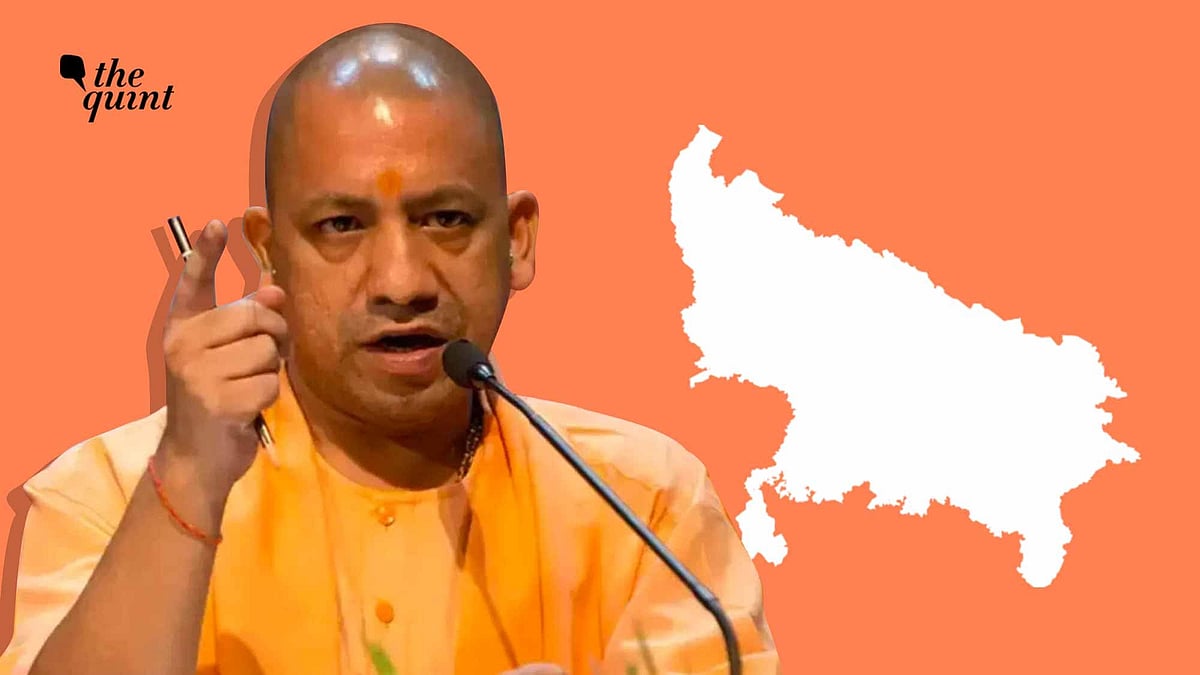
Uttar Pradesh Chief Minister Yogi Adityanath is the first from the ranks of the Bharatiya Janata Party (BJP) to raise a grievance against the much-maligned Special Intensive Revision (SIR) of the electoral rolls by the Election Commission of India (ECI). He's claimed that names of 1.27 crore Hindu voters have been deleted, for which his government has submitted a memorandum to the poll body.
In the same breath, Adityanath’s claim of a rise in Muslim voters in the state seemingly presented a package of his poll pitch for the polarisation of the Hindu vote base.
Also, the UP chief minister’s claims have largely been seen in response to months of campaigns of his predecessor and Samajwadi party chief Akhilesh Yadav against the SIR. Yadav was also a key face of the INDIA bloc’s Ramlila Ground rally against the SIR.
Circumstantially, Adityanath’s sudden pitch against deletion of Hindu voters seems to be carrying a political colour.
BJP’s UP Distress Signals
The widely held belief about the SIR in UP is that names have been deleted mostly in the urban areas of the state. Adityanath’s supporting argument for his claim pitches Panchayat Samiti voters’ list, and, thus, he, in contrast, is suggesting more deletions in the rural areas.
Ironically, the BJP is well-known for their micro-management of the electoral process, with the party machinery being active during the preparation of the draft electoral roll.
Equally important to note here is that the BJP over the years is known to have mapped households in the state for their political leanings. In this backdrop, Adityanath should have more questions for his party than the ECI, as ground reports suggest that the BJP workers were mobilised on an extraordinary scale to ensure that none of the party leaning voters was left behind in the SIR process.
Adityanath’s time lag in raising a red flag against the SIR possibly carries an air of admission within the BJP that the party’s gamble on the University Grants Commission (UGC) social equity resolution has turned into a double-edged sword. The BJP arguably believed that the Supreme Court stay on the UGC initiative in favour of the OBCs, SCs, and the STs and the subsequent plea by the Centre that a new committee would calm down the restive upper castes in UP.
But the upper castes largely remain angry, with voices claiming that the Narendra Modi-led government at the Centre has just taken a tactical pause for the UP Assembly elections. They believe that the UGC social equity move is the BJP’s poll card for the 2029 Lok Sabha elections and the party will implement it after UP has voted.
BJP’s Caste Equations in Disarray
Bihar and Uttar Pradesh, two key Hindi cow-belt states, voted differently in the 2024 Lok Sabha elections. In Bihar, the upper castes consisting of Brahmin, Bhumihar, Kayastha, and Baniyas stay consolidated in favour of the BJP for just one reason that a division in ranks will allow Rashtriya Janata Dal (RJD), which still has not shed the legacy image of Jungle Raj, to come back to power. Rajputs in Bihar have always voted both for the RJD and the BJP to make an exception in the upper castes’ consolidation theory.
In Uttar Pradesh, in contrast, upper castes have for decades been divided even while they have played a key role in the rise of the BJP in the state. But this vote base ruptured in the 2024 Lok Sabha elections. The UGC social equity norm threatens to further rupture the BJP’s core support base in the 2027 Assembly elections.
To further make the BJP worrisome, Brahmins in UP have acquired an image of tactical voters: backing Mayawati in 2007 and Akhilesh in 2012, while supporting the BJP in 2017 and 2022. The script began changing in 2024, and the BJP in late 2026 seems to be reading the warning signs in the evolving template for the 2027 polls.
Rekindling Hindutva Air
Adityanath had launched his 2027 campaign around May this year with a major media outreach with governance achievement claims. They were overshadowed by the Ram Temple donation theft row. Later, Adityanath in his few public meetings began mentioning Mahmud Ghazni in his speeches.
Muslims with their silence to the BJP’s polarisation pitch is further adding to the concerns of the saffron outfit. In saying that 1.27 crore names of Hindu voters have been deleted in the SIR in UP, while Muslims have gained, Adityanath is making a predictable pitch, almost a reiteration of “batenge toh katenge” slogan of the past, for the consolidation of Hindus for the 2027 elections.
(Manish Anand is a senior Delhi-based journalist, who has covered the UP politics since 2009 elections. This is an opinion piece and the views expressed above are the author’s own. The Quint neither endorses nor is responsible for the same.)
- Access to all paywalled content on site
- Ad-free experience across The Quint
- Early previews of our Special Projects
Published: undefined