
What the US Withdrawal from WHO Means for Global Health
How will the US' exit from the WHO impact funding, programmes, and the future of international health collaboration?
advertisement
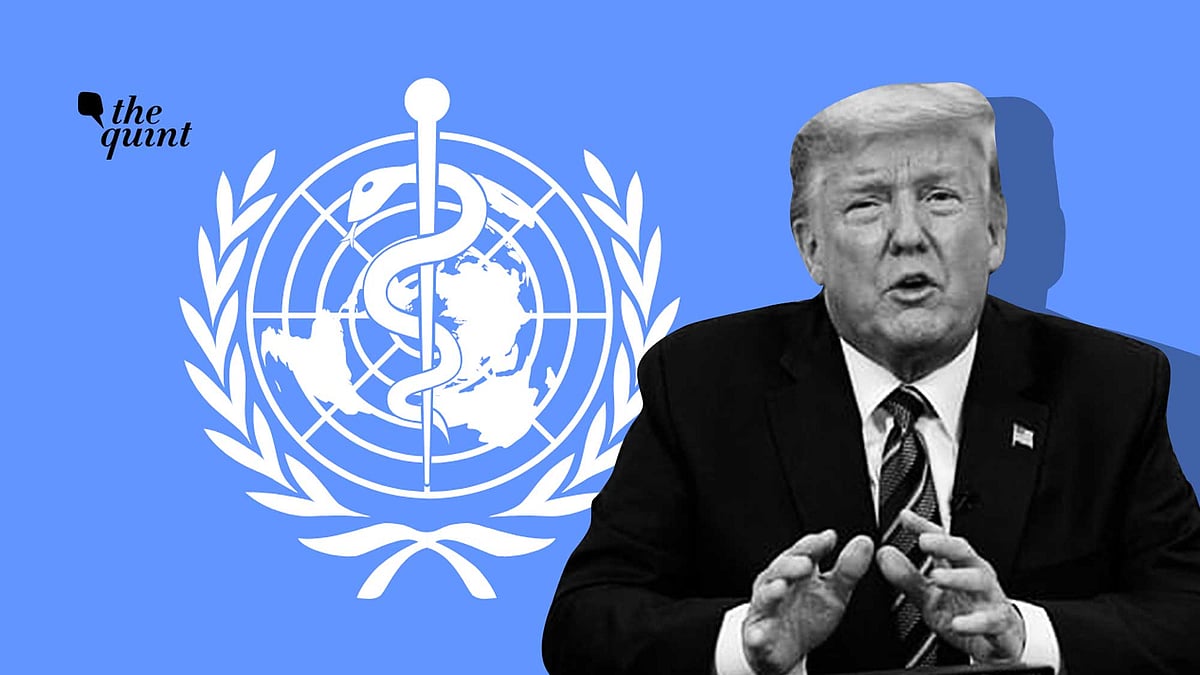
The US formally withdrew from the World Health Organisation (WHO) last week, severing a partnership dating back to 1948. The move, however, was set in motion a year earlier, when an executive order issued on the first day of the second Donald Trump administration in January 2025 authorised the withdrawal.
The implications of the US withdrawing from the WHO should be considered from different perspectives and time frames, within the broader social and geopolitical context.
Engagements with the WHO have been suspended or discontinued and the US has ceased participation in WHO-sponsored committees, leadership bodies, governance structures, and technical working groups.
The WHO leadership has expressed regret over the US decision and has rejected the reasons provided for the withdrawal.
The full impact of this decision will unfold over time. However, taken together, the withdrawal represents not just a policy shift, but a reordering of how the US engages with global health and multilateral institutions.
Financial Cuts, Technical Gaps, and a Shifting Global Context
As the largest financial contributor, providing nearly 18 percent of the WHO budget (both assessed and voluntary), the immediate impact of this move will be felt by the WHO's operations and programmes.
While estimates of the human impact of WHO funding cuts are not yet available, projections linked to US funding reductions following the shuttering of USAID suggest that more than 780,000 deaths in the first year alone could indicate the scale of the unfolding crisis.
The US has declined even observer participation in WHO proceedings. As a result, reduced access to US science, technology, research and development, and the technical expertise of agencies such as the Centers for Disease Control and Prevention (CDC) is likely to have downstream implications.
More broadly, the WHO’s predicament reflects a wider pattern of US disengagement from multilateral institutions. The US has decided to withdraw from 66 international organisations. and its decision to exit the Paris Agreement for a second time—alongside a sceptical approach, both domestically and internationally, to challenges such as climate change—may have more far-reaching consequences for population health than reductions in WHO funding alone. Changes in domestic vaccine policy and cuts to funding for the US National Institutes of Health form part of this broader shift.
Taken together, these developments, unfolding amid trade tensions, security challenges, and uncertainty in the rules-based international order, have placed multilateral bodies such as the WHO under exceptional strain, forcing them to operate in an increasingly volatile and unpredictable global environment.
What Next for the WHO?
The future direction of the WHO will depend on the actions of other actors. Will countries such as China increase their involvement? Will middle-income powers unify to attempt a more balanced order? Will member states retain faith in the WHO’s mandate?
Like the protagonists in Khaled Hosseini’s novels—caught in forces beyond their control yet still seeking redemption, a theme with universal resonance—the WHO, along with countries, institutions, and smaller NGOs, finds itself in a similar dilemma.
This VUCA (volatility, uncertainty, complexity, and ambiguity) moment, however, also offers an opportunity for the WHO to articulate and implement its own VUCA prime: vision, understanding, clarity, and agility.
The WHO’s mandate is to promote health, keep the world safe, and serve the vulnerable. As reaffirmed in its recent statement on the US withdrawal, its core mission remains the attainment of the highest possible standard of health as a fundamental right for all people.
It can do so by working with member-states to enable greater ownership of its activities.
An Opportunity for the Global South to Step Up
The technical capacities of the Global South have expanded significantly since the founding of the WHO and other UN agencies.
For instance, the WHO could leverage India’s experience in building digital public infrastructure and its strengths in information technology at a time when digital health is a growing global policy priority.
Much like global corporations establishing Global Capability Centres, the WHO could move away from a Global North-dependent model towards a more federated structure, with greater localisation of capacity in the Global South—signalling a shift towards long-needed health reforms.
The WHO should also accelerate the reforms initiated by its Director-General, Tedros Ghebreyesus, to become a leaner and more effective organisation.
This includes a serious review of expenditure and rationalisation aligned with its priorities and mandate, as well as embedding transparency, accountability, and efficiency at the core of its operations.
Countries such as India can seize this moment to step forward and help shape a more equitable global health mandate.
(Manjunath Shankar is a senior public health specialist. Anant Bhan is a researcher in global health, bioethics and health policy. This is an opinion article and the views expressed above are the author’s own. The Quint neither endorses nor is responsible for them.)
- Access to all paywalled content on site
- Ad-free experience across The Quint
- Early previews of our Special Projects
Published: undefined