
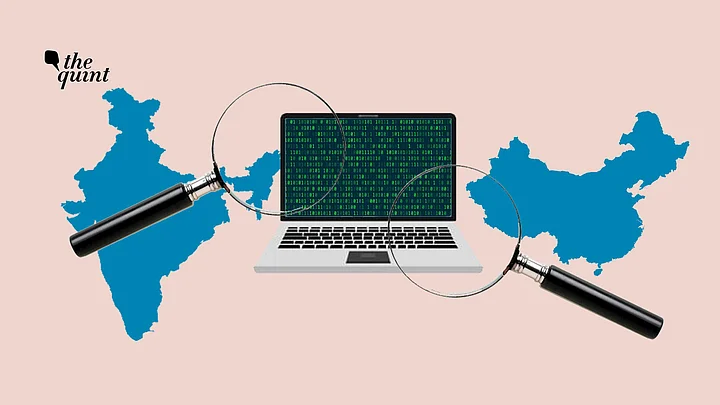
The recently-notified Information Technology Rules, 2021 (“IT Rules”) have invited raised eyebrows on many aspects, one of which is the government’s power to demand information from intermediaries. To place some of that debate in an interesting comparative context, this piece compares the IT Rules with China’s National Intelligence Law, 2017 (NI Law).
At the outset, it should be noted that the two instruments being compared are fundamentally different in some sense. The Indian IT Rules, framed in exercise of surveillance powers under Section 69 of the Information Technology Act, 2000 read with Section 5 of the Telegraph Act, 1885, are expressly aimed at regulating data-sharing and other obligations of intermediaries.
The Chinese NI Law, on the other hand, is a general national security law with broad provisions that implicitly cover intermediaries, effectively imposing on them a duty to share data with the state in some eventualities.