
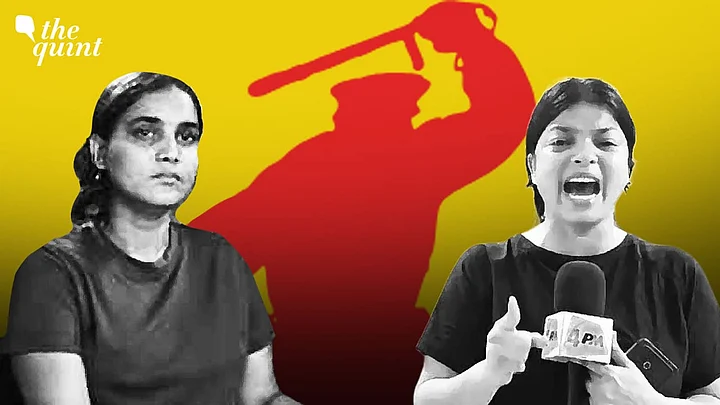
When authoritarian regimes begin to shake or face challenge, their claws grow sharper, and their attacks become more violent, uncontrolled, and desperate. The recent attack and detention involving two women journalists in a Delhi police station after seeking answers from political authority tells a story larger than the fate of two citizens.
That this should unfold in Delhi, India's political capital, turns the incident into a disturbing portrait of the fragility of Indian democracy itself: an unashamed patriarchy determined to put questioning women back in their place; the fanning of communal embers whenever power needs an old fire to regain control; and, caught in this quagmire, the uniformed police the institution entrusted with protecting citizens, pulled between constitutional duty and obedience to those who command it.
The women's actions to raise questions become inconvenient, and the regime recasts citizens as the problem. Moreover, the institutions created to protect citizens are taught instead to discipline them, and whether women, minorities, journalists, ordinary citizens and conscientious officers will consent to that transformation.