
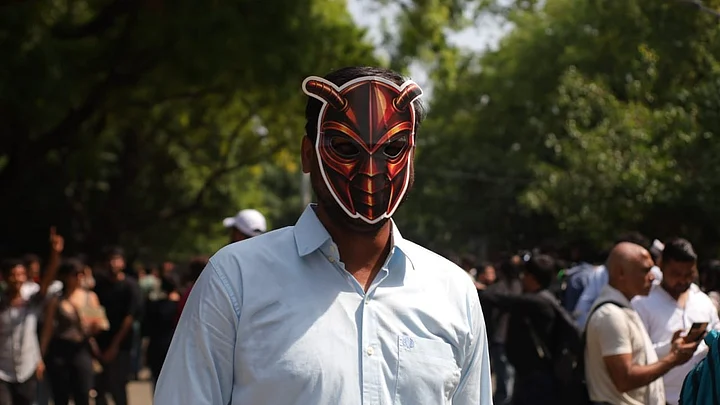
On 25 July 2026, Dharmendra Pradhan resigned as the Education Minister of India. In doing so, he became the first cabinet minister in the Modi years to resign on the question of accountability and performance in office. He was compelled to do so by the massive student protests, which started at Jantar Mantar in Delhi, and later spread to other cities.
Since then, much has been said about the Gen-Z and their hitherto untested political spirit and resolve. The leadership that emerged from the movement—the Cockroach Janta Party (CJP) founder Abhijit Dipke, his key lieutenants Saurav Das, Ashutosh Ranka, as well All India Students' Association (AISA) activists Neha Bora and others—are all young students or early career professionals.
Curiously, with the exception of Sonam Wangchuk, there were no teachers among them.
Over the course of this long and eventful summer, higher education has emerged on the frontlines of political discourse and agenda. Yet in this churning, the voice of professors and education professionals has been missing. Except for a brief period in the initial stages when competitive exam coaching teachers especially on YouTube, mobilised and directly took on the pliant and pro-state polemics of TV news anchors, educators have not been seen in the line-of-action.