
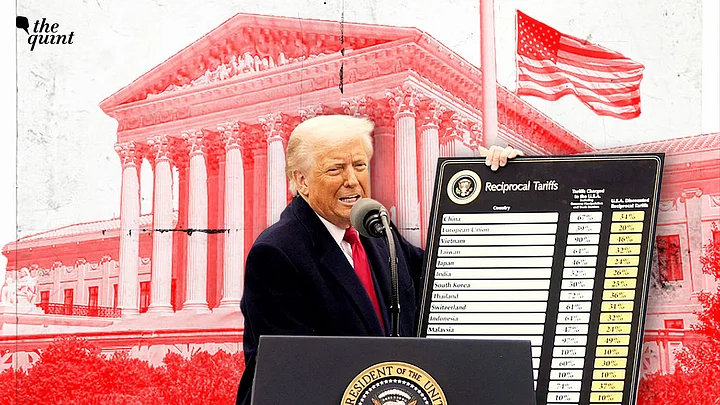
A specific kind of trade dispute is currently underway that speaks more to the international than to the belligerents. This one is unfolding between Washington and Ottawa.
On 22 August, the US imposed 50 percent tariffs on a wide band of Canadian exports. It includes dairy, alcohol, electronics, building materials, and apparel. In response, Canada unveiled counter-tariffs on more than 700 items within days. Canadian Prime Minister Mark Carney has promised to match Washington "dollar for dollar."
The significant issue here is not the tariff rate. It is rather who is being ‘tarriff-ed’. Canada is not a rival power. It is a NATO ally and an intelligence-sharing partner. Most importantly, it is a signatory to the US-Mexico-Canada Agreement (USMCA), a free trade agreement that both governments negotiated and re-ratified within the last decade. The newly imposed tariffs of the US are applicable even to goods fully compliant with that agreement.
This should matter to powers like India, surely not in the abstract, sympathetic way that distant conflicts usually matter. It matters because it reveals how trade power actually works today.