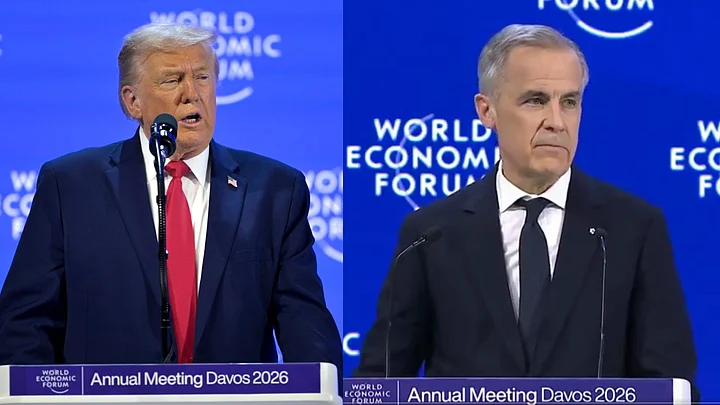
The United States imposed 50% tariffs on approximately $20 billion worth of Canadian products after trade negotiations between the two countries failed to reach an agreement by the midnight deadline on 22 August 2026. Canadian Prime Minister Mark Carney announced that Canada would match the US tariffs “dollar for dollar” in response. The tariffs affect a wide range of goods and mark a significant escalation in trade tensions between the two longstanding allies.
According to The Guardian, Prime Minister Mark Carney described the last-minute changes in the US proposed terms as “unfair, uneconomic and called into question the reliability of any deal.” Carney stated that Canada’s goal was to secure the best possible agreement, not to accept a deal at any price or on any deadline. The US tariffs, announced by President Donald Trump, will impact about 5% of Canada’s annual exports to the US, including products such as steel, aluminium, cars, and consumer goods.
As reported by The Hindu, US Trade Representative Jamieson Greer stated that Canada declined to finalise the trade deal under terms agreed earlier in the week, citing new demands and walk-backs by Canada that disrupted the balance reached in prior negotiations. The tariffs were initially scheduled to take effect on 19 August but were delayed by three days to allow further talks, which ultimately failed to produce an agreement.
As highlighted by BBC, the breakdown in talks followed months of negotiations aimed at reducing tariffs on steel, aluminium, and automobiles. The US had requested concessions from Canada, including increased access for US dairy products and the removal of retaliatory tariffs on American autos. In return, Canada sought relief from existing US tariffs and the restoration of US alcohol sales in Canadian provinces. The new tariffs are in addition to those already imposed on Canadian steel, aluminium, autos, and lumber.
“Canada will match those tariffs dollar for dollar to protect our workers and businesses,” Prime Minister Mark Carney said in his official statement.
As noted in an article by Deutsche Welle, the Canadian government suspended negotiations after determining that the US terms were not acceptable. Canadian officials indicated that more work was needed to reach a fair agreement, and that the government would announce additional support for affected workers and businesses in the coming days. The US currently accounts for roughly 70% of Canadian exports, making Canada particularly vulnerable to US trade actions.
Further details show that the political impact of the tariff dispute could be even more significant than the economic consequences, given the $880 billion in goods and services exchanged annually between the two countries. The tariffs are expected to affect sectors such as wine, dairy, cement, clothing, and hockey equipment, with potential job losses and increased costs for consumers on both sides of the border.
Trade experts and business groups have expressed concern over the escalation, warning that the tariffs could undermine North American competitiveness and disrupt critical supply chains. The Canadian Chamber of Commerce described the tariffs as a “body blow” to the region’s economic stability, while provincial leaders voiced support for the federal government’s retaliatory measures.
“Team Canada needs to stand together more united than ever before. The prime minister has my full support for a strong response – tariff for tariff, dollar for dollar,” Ontario Premier Doug Ford stated.
Negotiations had been ongoing for over a year, with both sides seeking to resolve longstanding disputes over market access and retaliatory measures. Analysis showed that even if a deal had been reached, selling it to Canadian provinces and the public would have been challenging, as a majority of Canadians reportedly favoured a hard line in negotiations with the US.
Note: This article is produced using AI-assisted tools and is based on publicly available information. It has been reviewed by The Quint's editorial team before publishing.