
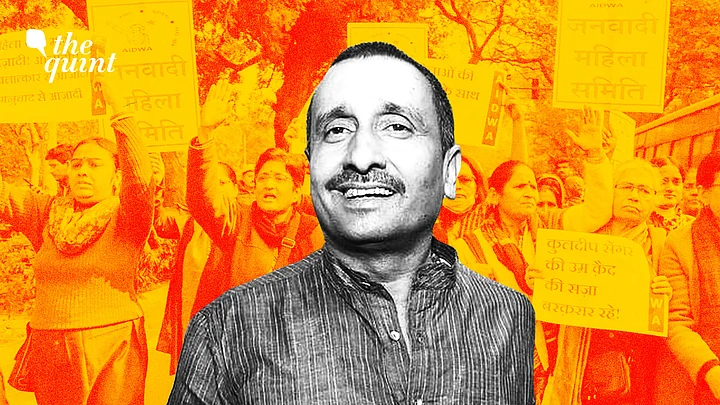
The Unnao case has returned to public attention not because of any fresh finding on guilt, but because of what followed the conviction.
Before setting down my own thoughts, I came across an open letter authored by one of the daughters of the convicted accused, Kuldeep Singh Sengar, along with interviews given by another. These narratives exist, and they are circulating widely. Their relevance to the criminal process, however, is limited.
What the Unnao case ultimately lays bare is an unavoidable asymmetry of loss. On one side is the survivor, who lost her childhood, her father, her family’s security, and any realistic chance at an ordinary life to a system that moved slowly and shielded power. On the other are accounts of familial distress articulated through personal memory and emotional absence.
The two are not comparable and treating them as such risks distorting the moral frame of the case. Criminal law is not a forum for emotional balancing. It does not exist to redistribute sympathy or to soften accountability through narratives of proximity to the accused.