
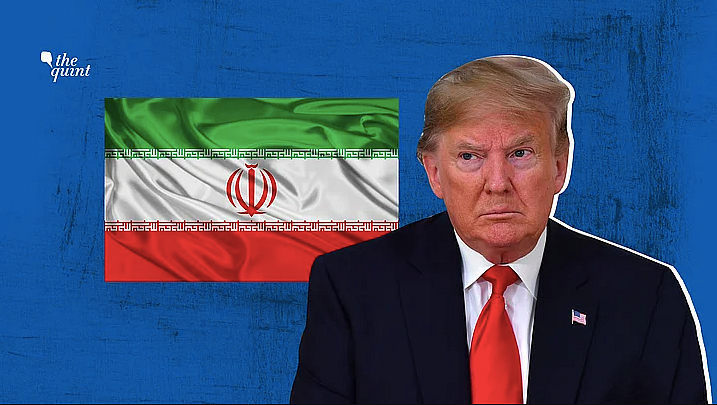
Among the many motives attributed to Donald Trump—denying Iran nuclear capability and destroying its missile capacity—the real objective appears to be regime change. Yet, this requires delegitimising the existing rulers. While they can bomb targets at will, regime change ultimately depends on the Iranian people to finish the job.
Now, with the assassination of Supreme Leader Ali Khamenei, they may well have complicated their own task.
It is not just that he was 85 and ailing, but that he was the religious leader of Iran. Martyrdom and revenge are deeply woven into Shia culture, and this could trigger a reaction the United States has not anticipated. The roots of this sentiment stretch back to the martyrdom of the third Imam, Hussain, the grandson of Prophet Mohammed (PBUH), on the battlefield of Karbala in modern Iraq, when the forces of the Caliph ambushed his caravan and killed him after denying him food and water for days.
According to the Shia belief, 11 of the 12 Imams of their faith have been either assassinated or poisoned by contemporary rulers. The twelfth Imam, Mahdi, is believed to be in occultation—hidden from common view—and will emerge at the end of times to establish peace, justice, and redeem Islam.