
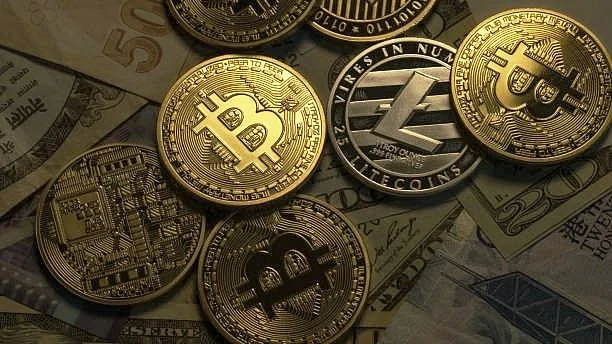
So your niece was born yesterday. ‘Pandemic baby’, celebrations in the family during these dark times. They’ve named her Khushi, the bundle of joy that she is. Tomorrow, you’re going to see her along with the rest of the family, for the first time. Are you going to make her a Fixed Deposit (FD), that she can use once she turns 18, maybe to go study abroad? Or give her a gold necklace that she will one day wear for her wedding? Or are you going to gift her 10 Bitcoins, as you peer into her pink little flushed tiny human face?
‘Flash in the pan’ they called it. During the California Gold Rush, roughly in the mid-19th century, as the feverishly enthusiastic diggers panned for gold, they would often mistake anything that had a glint for gold, though it often turned out to be just something that reflected the harsh sun that they toiled under. The relationship between man, civilisation and their unique invention — money — has been perhaps the longest, most fraught and complex relationship of all time, rarely rewarding, and, mostly, crippling.
Though money and currency are used colloquially to mean the same thing, in essence, money is just a theory, while currency is the tangible authentication of it. The earliest form of ‘currency’ was cattle, which, as early as 9000 BC, was used for bartering before the evolution of finance. This evolution took place as civilisation progressed, and ”money” could facilitate the growth of speed at which the “businesses” of civilisation (construction, engineering, war, etc.) took place.