
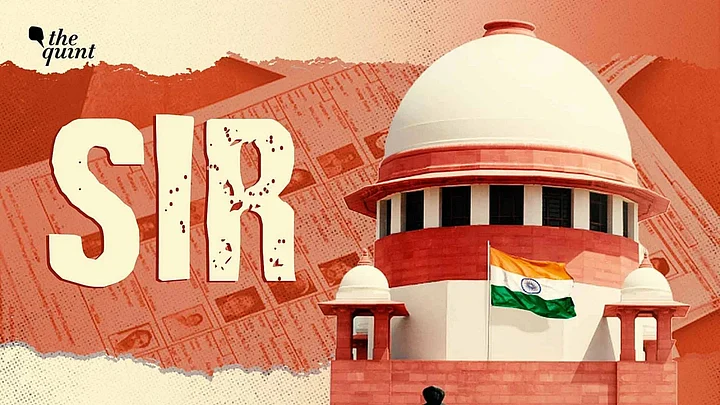
It took me terribly long to write this ‘review’ of the Supreme Court verdict in the special intensive revision (SIR) of Bihar's electoral rolls issue, now pronounced over a week ago. While this holdup was majorly on account of my unwillingness to granularly read a constitutional law judgment in a matter which, when it was being heard, warranted exigency and today, only strengthens a fait accompli situation, there was another peculiar challenge with this judgment which made me dawdle over the 124-page document with, dare I say, extremely bewildering thoughts.
I say with a lot of responsibility that this is no ordinary judgment, for it relies on one type of precedents to reach completely different outcomes, it validates a rushed disenfranchisement exercise without scrutinising the immediate challenges which necessitated the rushed exercise and it extends an uncritical, incautious credence to a guarantor institution the independence of which is now doubted by all serious stakeholders.
But most of all, it stands out because it treats the voter as secondary and the bureaucratic process as primary, something which was hitherto unheard of in our jurisprudence.