
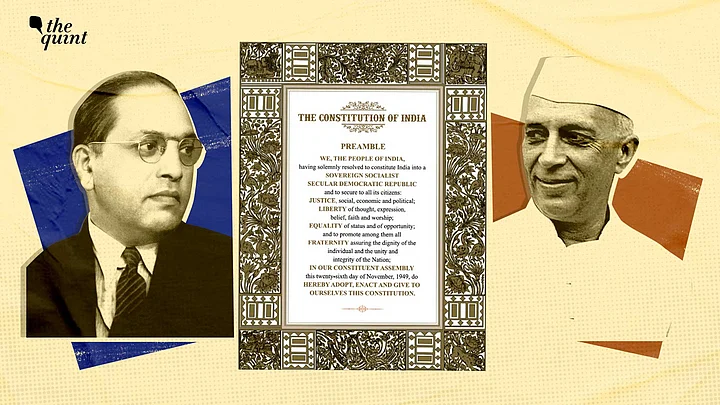
On 15 August 1947, India gained freedom from the oppressive British colonial rule after a long, arduous, and heroic struggle, full of suffering and sacrifices. India declared itself a Republic nearly two and a half years later, on 26 January 1950. It was when the Constitution of India came into effect. As India celebrates its 75th Republic Day today, it is necessary to rededicate ourselves to the noble goals and ideals of the Freedom Movement, which found resounding expression in the Constitution.
The Constitution of India is a living document, and not just ink on paper. Therefore, all citizens should know about the core Constitutional values, many of which are under severe stress today ─ democracy, liberty, equality, fraternity, freedom of thought and expression, fundamental rights and responsibilities, respect for all faiths, social harmony, and national unity and integration.
Educated Indians, especially those who shape the affairs of the nation, should also know how the Constitution came into being, what kind of debates took place in the Constituent Assembly, who were the main participants in these debates, and, most importantly, who contributed the most to its guiding vision, philosophy and defining contents.