
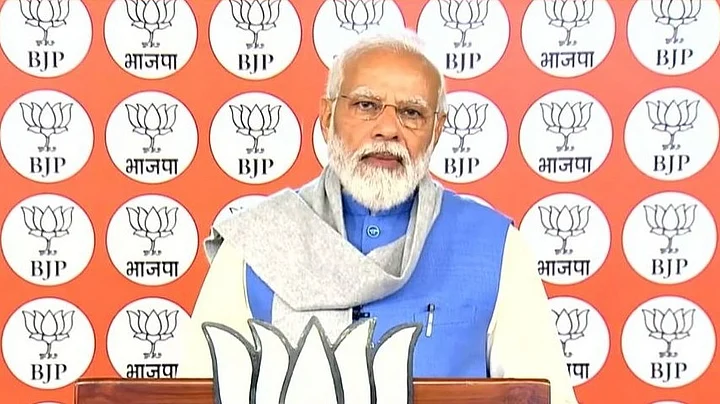
The phrase ‘silence speaks volumes’ is very familiar in common parlance. But, when it is a question of silence on actions or decisions that adversely affect the lives of lakhs and lakhs of people who pin their hopes and aspirations on the fair and just functioning of government institutions, then the silence is resounding, deafening, and echoes in the minds of people for a long time to come. In such cases, the silence of those who lead those institutions, and the state, in particular, becomes poignant.
The prime minister’s silence on the terror attacks in Jammu, and in the past on instances of mob lynchings, horrific rape cases, deplorable discriminatory practices against minorities, hate speech, violence and atrocities in Manipur, the cases of sexual misconduct against the wrestlers who did the country proud, and now the anomalies in the NEET-UG case, are just some of the examples that come to mind.
But, why must a leader speak up in the face of mishaps and unjust happenings that are the result of, perhaps, not so well thought out policies or their ineffective implementation? After all, ‘to err is human’ and mistakes are made even by the most astute of leaders. And, as the saying goes, ‘silence is golden’; perhaps, it is wiser to maintain silence than to take responsibility. But how far and at what cost, that is the question here.