
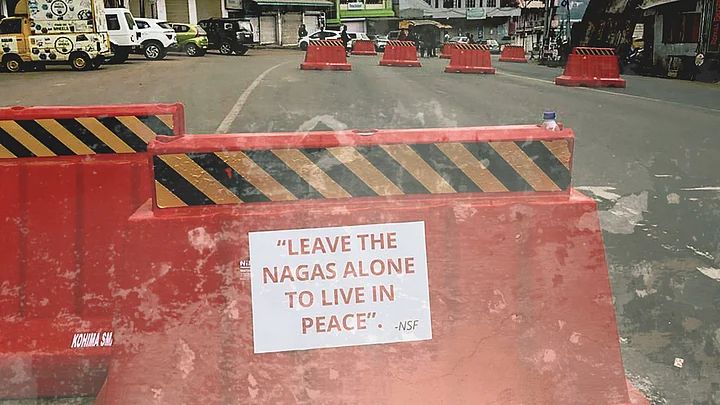
The unfortunate killing of unarmed civilians due to faulty intelligence by no less than a Special Forces unit in Nagaland has upset the tenuous equilibrium of a fragile peace in a region beset by violence for several decades. It is necessary to do everything possible to undo the damage, for the sake of both the peace and the reputation of one of the most battle-hardened units of the Indian Army. The politics that follows such incidents loses sight of why the Army is such areas in the first place. In targeting only the Army, we are absolving those in power who failed to resolve the longest-running insurgency movement in the world.
Most insurgencies are born primarily due to the exploitation of genuine grievances and a host of other factors, such as flawed development frameworks, identities, corrupt governance and poor administration. Insurgent leaders fill in spaces abdicated by the government. Often, even when insurgent forces have lost their legitimacy, vision and purpose, or are being divided by internal power struggles, they continue to be credible threats to peace because the state fails to step in and fill those governance deficits.