
(Read the author's piece on the seat-sharing deal of the Maharashtra Vikas Aghadi (MVA) here.)
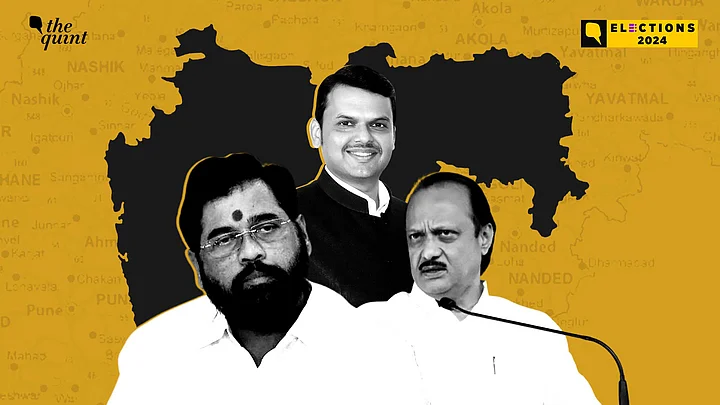
Berjeche Rajkaran — a term first popularised by the first chief minister of Maharashtra Yashwantrao Chavan — has defined the state’s politics for much of its history. The term which loosely translates to “politics of accretion” is used to describe the strategy of co-opting leaders and cadres from across the political spectrum — often from other parties and organisations. But as the political landscape of Maharashtra undergoes changes against the backdrop of political realignment, even the efficacy of Berjeche Rajkaran is now under doubt. The Bharatiya Janata Party with its Mahayuti alliance, consisting of the Nationalist Congress Party and the Shiv Sena, is realising the limitations of Berjeche Rajkaran.
The problem of plenty that has plagued the ruling Mahayuti alliance has resulted in its failure to meet multiple deadlines to arrive at a final seat-sharing formula. In the last week of March, Deputy CM and NCP leader Ajit Pawar claimed that 99 percent of the seat-sharing process had been completed. Since then the alliance partners have huffed and puffed but failed to arrive at a final seat-sharing formula even when the final day for filing nominations is just two days away and the first two phases of the election are already done.