
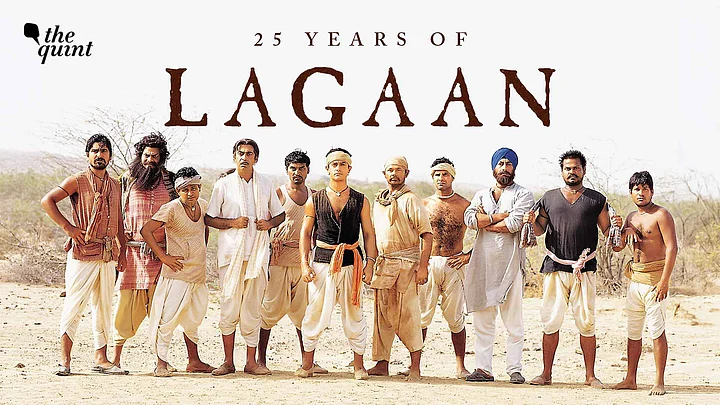
Looking back from the vantage point of a quarter-century, Lagaan (2001) feels like an artefact from a lost time. If it was “almost impossible” to get made at the turn of the millennium, then in the increasingly intolerant and divisive contemporary landscape of India, Lagaan would not be cleared for production at all.
Today, its story of unified, cross-community resistance against state-backed exploitation would be swiftly labeled “anti-national” in its sentiment like the other rabble-rousing, reformist films of that era: from Ashutosh Gowariker’s own Swades (2004) to the iconoclastic Rang De Basanti (2006), which also starred Aamir Khan.
Gowariker’s Lagaan was simultaneously way ahead of its time and a contemporary reflection of the socio-political mood of a post-colonial India stepping into the world stage of neocolonial globalisation. An epic musical sports drama, Lagaan was essentially a story of subaltern protest against an exploitative, oppressive regime.