
For years, a tacit distinction has been drawn in everyday Indian discourse between "good Muslims" and "bad Muslims". This distinction manifests openly—whether in the media, political rhetoric, or the evolving portrayal of Muslims in cinema. It is also frequently observed within the culture of society at large and among liberal-secular circles, where a selective narrative regarding "good" versus "bad" Muslims repeatedly surfaces.
Certain Muslims are viewed as symbols of nationalism and national unity, portrayed as such in media and political statements. Others, however, are viewed with suspicion and through the lens of religious fundamentalism.
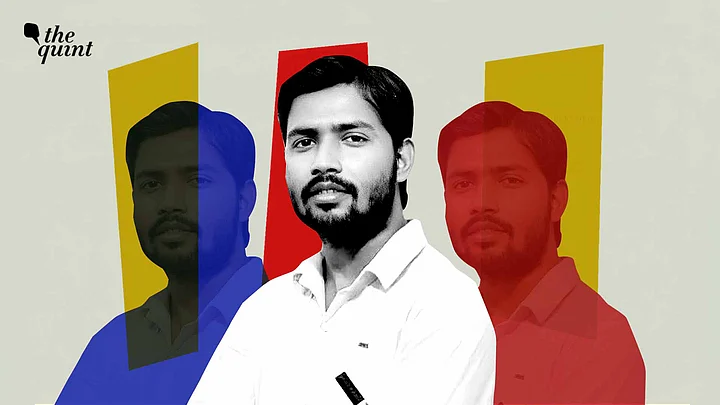
The latest example of this selective acceptance can be seen in the case of Khan Sir, who runs a renowned coaching institute in Patna.
For years, the majority of the population viewed him as a saviour for students in the Hindi belt. But, soon after he made headlines due to the controversy involving another coaching center owner Roshan Anand and the defamation case filed against him by Aaj Tak TV anchor Anjana Om Kashyap, Khan Sir suddenly became Faisal Khan.