
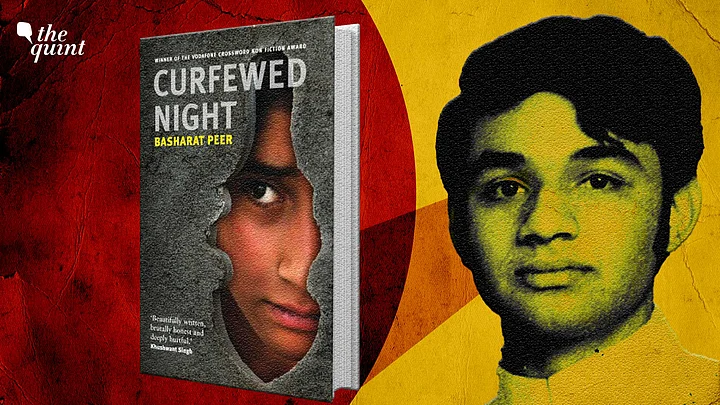
Basharat Peer’s touching memoir, Curfewed Night, originally published in 2008, begins with memories of childhood spent in his village situated in the southern district of Anantnag in Kashmir where he was born. We read sentences like, “Paddy fields, green in early summer and golden by autumn, surrounded the cluster of mud and brick houses”, and “On winter afternoons, grandfather joined the men of our neighbourhood sitting on the storefronts warming themselves with kangri, our mobile firepots, gossiping or talking about how that year’s snowfall would affect the mustard crop in the spring.”
There’s a sense of normalcy and lack of urgency in these lines – remnants of a childhood most people who grew up before the 2000s in India would be able to identify with. Except those living in Kashmir after 1989, when the separatist movement blew up.
It was first reported by The Wire on the 23rd of July that the University of Kashmir has dropped three poems by Agha Shahid Ali as well as Basharat Peer's Curfewed Night from its English MA curriculum, while two poems by Ali were removed from the syllabus of the Cluster University Srinagar.
This undue censorship blots out the anguish of thousands of Kashmiris, like Peer and his family — a denial of their truth and experiences.