
The phone screen shows the Uber cab inching closer to the location. As the icon for the cab moves closer, the lines between the algorithm and humans get blurred – it is quite easy to ignore that there is a human, a driver, a worker sitting behind the wheels.
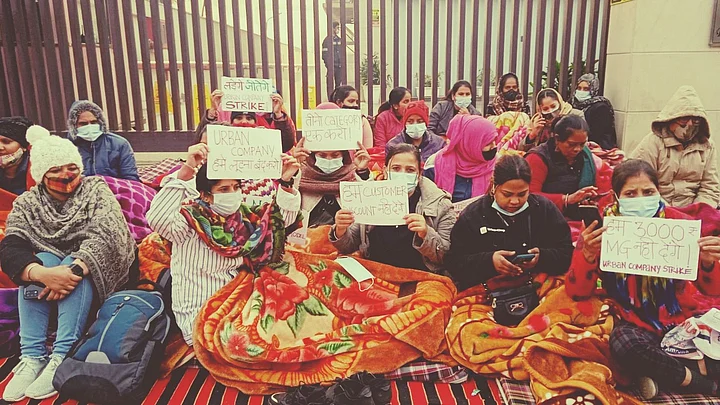
Uber, Ola, Swiggy, Zomato, Amazon, Big Basket, Urban Company, etc, have become fairly commonplace for the urban populace not just in metropolitan cities but also in Tier II cities in India. These companies operate via platforms or digital interfaces that take the form of websites or smartphone/computer applications or apps. In the world of gig economy, consumers log in to platforms, and service providers or freelancers are onboarded. These service providers are fairly heterogeneous – they can be coders, graphic designers, psychologists, cab drivers, or even beauticians. A “gig worker” is one who does these kinds of temporary jobs.