
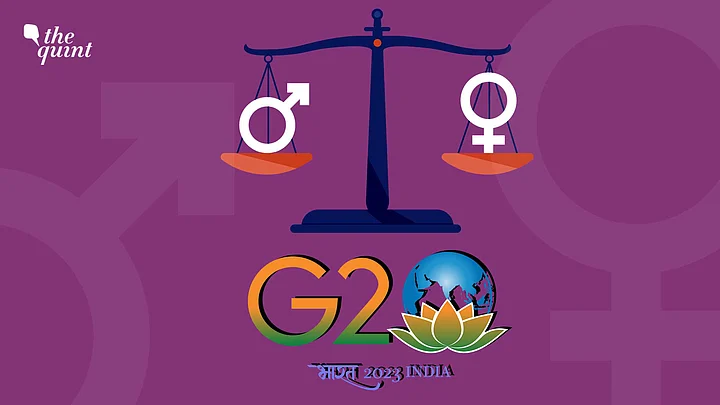
Gender equality is a condition for achieving the Sustainable Development Goals. But they will remain out of reach when countries are too scared to legalise people of all genders when religious dogma does not permit everyone to live freely, and when gender issues are not ‘prioritised’ over other problems, often perceived as bigger or more urgent.
‘Leave no one behind’ is the central, transformative promise of the 2030 Agenda for Sustainable Development – but the current reality is that we are leaving too many behind to be heard at all.
We call on G20 countries to push uncomfortable boundaries and make progress on eradicating gender-based violence and legalising all forms of gender identity, expression, and sexual orientation.
To achieve the Sustainable Development Goals (SDGs), gender equality is both a goal and a condition of success. Still, none of the G20 nations in the Global South as well as the Global North, are on track to achieve it by 2030.
In fact, the G20 is unable to achieve any SDGs when all G20 countries, aside from Mexico and South Africa, have at least one law that treats men and women differently. Gender inequality exists in every country, taking different forms depending on its cultural context.
Where gender-related issues challenge longstanding norms in development, they tend to be downplayed and even ignored.