
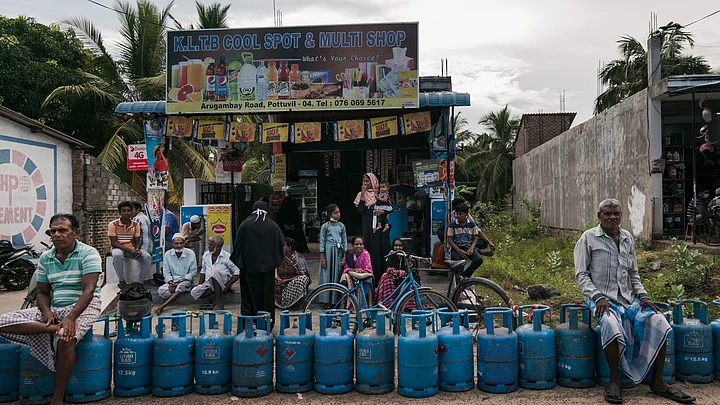
In the lead-up to Sri Lanka’s parliamentary elections on 14 November, corruption has emerged as a dominant and decisive issue.
On my visit to the country last month, the economic crisis was clearly visible. Shortages of essential goods, increasing food prices, and prolonged power cuts have severely impacted everyday life. Many citizens blamed the current economic turmoil on decades of mismanagement and corruption by successive governments. The country's debt has ballooned under administrations that have prioritised grand infrastructure projects, often awarded to companies with ties to powerful officials.
The Rajapaksa family, in particular, has come under scrutiny for allegedly using their influence to channel resources into projects that benefitted only a few, while leaving the majority of Sri Lankans to bear the financial burden.