
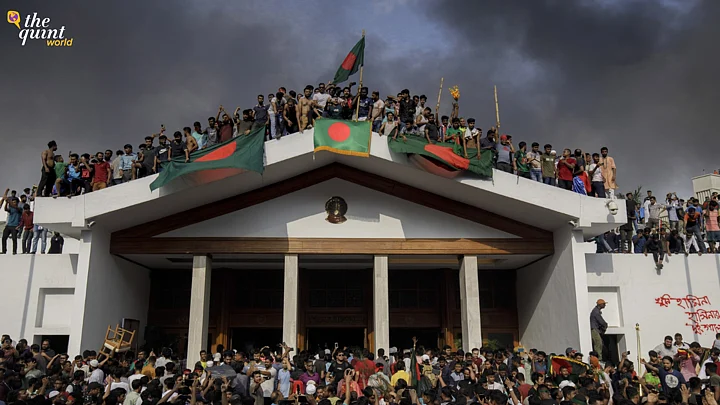
Once hailed as a model of moderate pluralism, Bangladesh is now teetering on the edge—politically, socially, and strategically. What unfolds in Dhaka over the coming months will reverberate far beyond its borders, with consequences for South Asia, the Indo-Pacific, and the global democratic order.
In August 2024, a student-led uprising toppled Prime Minister Sheikh Hasina after 15 years of increasingly authoritarian rule. Protesters packed Shahbagh Square—a symbolic epicenter of past democratic movements—demanding justice, accountability, and a new political beginning. Amid the power vacuum, Nobel Peace Prize laureate Muhammad Yunus emerged as interim leader—a globally respected figure tasked with guiding the country toward democratic renewal.
But nearly a year later, that transition is faltering. Yunus’s political support is fraying, exclusionary politics creeping back in, and authoritarian and radical forces are regrouping. What began as a hopeful civic uprising may be devolving into a cautionary tale.