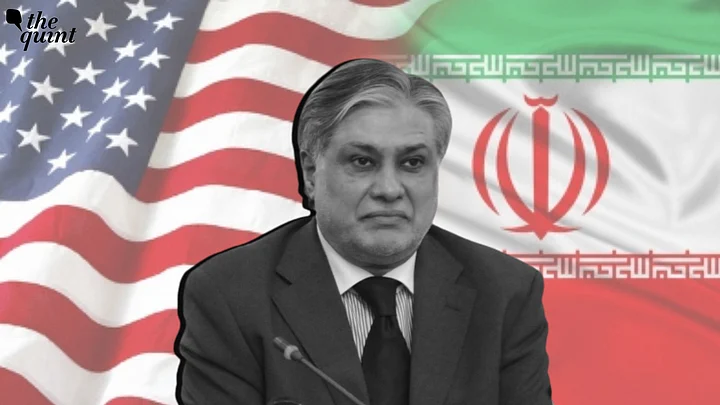
Talks between the United States and Iran in Islamabad concluded on 12 April 2026 without a formal agreement. Despite the lack of a breakthrough, Pakistan’s government announced it will continue to facilitate dialogue between the two countries.
Both delegations departed Islamabad after marathon negotiations, and technical teams from the US and Iran are expected to keep exchanging documents in the coming days.
According to The Hindu, Pakistan’s Deputy Prime Minister and Foreign Minister Ishaq Dar stated that Islamabad had mediated several rounds of “intense and constructive” discussions over the previous 24 hours.
Dar emphasised Pakistan’s commitment to ongoing engagement and urged both sides to uphold the current ceasefire.
As reported by The Guardian, US Vice President JD Vance confirmed that the negotiations ended without a deal, citing Iran’s refusal to accept American terms, particularly regarding nuclear weapons development.
Vance reiterated that the US position required an explicit commitment from Iran not to pursue nuclear arms.
As highlighted by Hindustan Times, Ishaq Dar thanked both delegations for recognising Pakistan’s mediating role and for accepting Prime Minister Shehbaz Sharif’s proposal for a ceasefire.
He stated, “Pakistan has been and will continue to play its role to facilitate engagements and dialogue between the Islamic Republic of Iran and the US in the days to come.”
“It is imperative that the parties continue to uphold their commitment to the ceasefire,” Dar said, reinforcing Pakistan’s stance on maintaining regional stability.
Statements from officials indicated that the US presented its “final and best offer” during the Islamabad talks, which remains on the table despite the lack of agreement. Iran’s foreign ministry spokesperson responded that Iran remains committed to diplomacy but will not accept excessive demands or unlawful requests.
Technical teams from both sides are continuing to exchange expert texts as negotiations proceed, even though significant differences remain.
The Strait of Hormuz emerged as a major point of contention, with both sides unable to reach consensus on its control and security arrangements.
Negotiations were extended under Pakistani mediation amid ongoing ceasefire efforts, with Islamabad proposing joint patrols to regulate navigation in the strategic waterway. The talks were described as “largely positive” but volatile, and expert-level discussions continued for more than 15 hours.
“The success of this diplomatic process depends on the seriousness and good faith of the opposing side, refraining from excessive demands and unlawful requests, and the acceptance of Iran’s legitimate rights and interests,” said Iran’s foreign ministry spokesperson, as quoted in official statements.
Coverage revealed that the US military reported two Navy warships had transited the Strait of Hormuz to clear mines, while Iranian forces denied any US ships had crossed and warned of severe repercussions for any military vessels attempting passage. The fragile ceasefire remains in place, but the situation in the region is still tense.
At the end of the talks, analysis showed that both the US and Iran left open the possibility of further negotiations, with Pakistan reiterating its willingness to mediate and urging all parties to maintain the ceasefire for regional peace and security.
Note: This article is produced using AI-assisted tools and is based on publicly available information. It has been reviewed by The Quint's editorial team before publishing.