
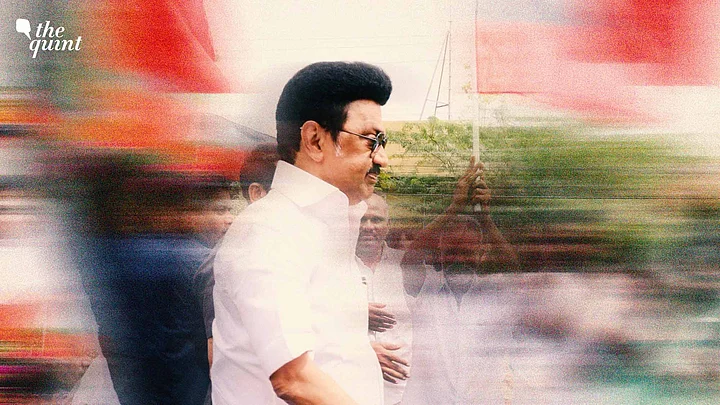
The 2026 Tamil Nadu election loss is more than a bad outcome for the Dravida Munnetra Kazhagam (DMK)—this is a structural rupture. DMK chief and Chief Minister MK Stalin even lost in his Kolathur constituency.
The party falling to such reduced numbers after a spectacular win in 2021 dismantles the party’s assumption that it's the centre of Tamil politics. That assumption, held perhaps too comfortably and for too long, is now gone.
History offers some context. In 1991, in the immediate aftermath of Rajiv Gandhi’s assassination, the DMK was reduced to just two seats, its worst-ever performance. It appeared politically finished, yet it rebuilt itself and returned to power. This is, therefore, not the end of the DMK. Parties with organisational depth, ideological legacy, and deep historical rootedness do not collapse overnight.
But this defeat does something more corrosive than a simple loss: it strips away the presumption of indispensability. That is a harder thing to recover from than a straightforward electoral defeat.