It was 9 am and I was in a nondescript restaurant tucked inside Chania’s central market alongside shops selling everything from meat to souvenirs. Regulars walked in and were served their usual with just a “kalimera” (“good morning”) exchanged. The young owner-cum-chef was at the counter, enthusiastically lifting lids off huge trays for me to inspect the different grills, stews and curries up for grabs. At least five more gigantic vessels - with dishes not yet on the counter - gently bubbled away. I was in a place right after my own heart.
I was on the sunny island of Crete, eating my way through Greece. If you manage to tear your eyes away from the country’s astonishing indigo palette of the sky and the sea, and its historical goldmine, it is Greek cuisine that wins over your soul.
Much like Indians, Greeks swear by slow cooking, and slow eating - expect raised eyebrows if not pointed questions if you demand a quick serving or finish your meal in a hurry! The Greeks discovered the YOLO philosophy way before millennials did, and they believe in taking it slow - be it going about the day or chomping through a good meal.
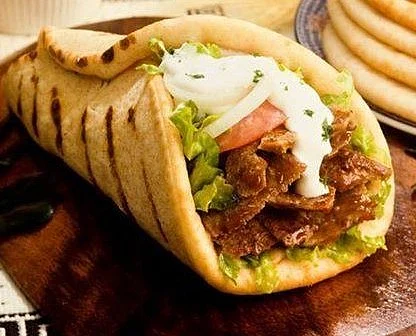
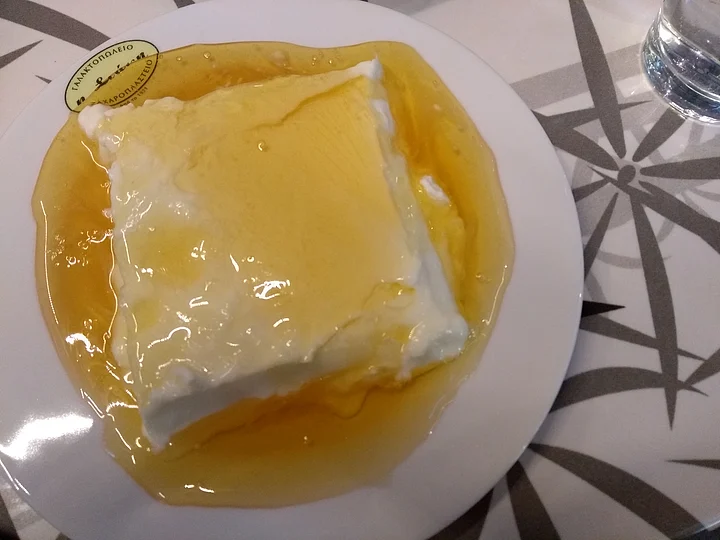
What’s even greater is that of the two weeks I spent in the country, I did not need to repeat a single dish. And not once did I get bored or miss ghar ka khaana. From souvlaki ([usually] pork wraps) and tiropita (cheese pies), to grilled octopus and melt-in-the-mouth meat or fish curries, to roasts and baklavas and sheep yoghurt with honey (don’t miss!) - the list, paired with some robust house wines (or raki and ouzo if that’s what you like), is as endless as it is delectable. I’d recommend you do your research on where to eat, but also leave some meals to happy chance. You won’t be disappointed.
Here’s a tiny recco of what you must eat if you are visiting Greece any time soon. But be warned, there’s a greater foodie’s paradise to explore out there!
Stifado or Stifatho
The first time I had a bite of the beef stifado, I couldn’t speak for a good couple of minutes. Nothing, absolutely nothing, prepared me for that veritable burst of flavours in my mouth. Stifado is a traditional stew made with beef, rabbit or lamb and a lot of pearl onions. Cooked on low flame for hours, the stew is a delicate balance between the spice and the natural sweetness of the onions that’s taken to other worldly firmaments with the melting-like-butter meat. Swipe that gravy with some bread and bite into the succulent meat, and you have in your hands a free ticket to heaven.
Moussaka
This one is for people who turn up their noses at good ol’ eggplants.
Moussaka is said to have originated in the Balkans and the Middle East before working its way into Greece. Today, the Greek version is one of the classic meals you can’t miss if you are visiting the country. The moussaka has layers of smooth fried eggplant and delish ground meat (usually beef or lamb) and generous doses of melting cheese baked to perfection in bechamel sauce. Some variations also come with potato, zucchini and tomatoes. This casserole is as rich as it’s flavourful, the kind of meal that leaves you immobile with happiness, among other things.
Dolmades
What the paturi is to Bongs, dolmades is to the Greeks. Said to be introduced during war-ravaged times when edibles were in short supply, dolmas are considered to be fine food today. Making them is a very labour-intensive process, but that doesn’t stop anyone from gorging on them!
Dolmas are made of grape or cabbage leaves stuffed with rice, minced meat and herbs made into little rolls and boiled tender. Dainty, succulent, and yum, I had a fancy version of it complete with a side of delicately flavoured roe. An unforgettable meal if there was one.
Bouyourdi & Saganaki
For those of us who have access to fine cheese only in exchange of a limp purse, the sheer variety and easy availability of quality cheese in Europe adds to one’s sense of wonder. Add to that the stuff the Greeks do with it - whether it is the delightful Bouyourdi (feta grilled with bell pepper and tomato in olive oil) or the saganaki (fried cheese) or a simple cheese platter. I would recommend the bougatsa with cheese instead of the semolina custard filling. Coming encased in light crispy phyllo and sprinkled with sugar and cinnamon powder that balances the sweet and savoury perfectly, this is a favourite Greek breakfast pastry.
Gemista
If non-vegetarian fare is not really your thing or you get tired of all the meat, fret not. There are plenty of vegetarian options in Greek cuisine. Try the gemista regardless. It consists of whole capsicums and tomatoes stuffed with herb rice and veggies cooked in a tomato-based sauce and baked to perfection. It’s yummy, light and exactly the change you need to give that overworked tummy a rest.
Kataifi
One bite of this dessert and I was ready to do anything for its maker. It’s sheer inspiration. Kataifi or kantaifi is a traditional pastry made of shredded phyllo dough, quite similar to vermicelli. The dough encases a filling of chopped almonds and pistachios, sugar and cinnamon and then soaked in a sweet syrup. Sometimes, it’s served with a scoop of vanilla ice-cream on the side, but in all honesty, you can very well do without it.
If you are still not convinced, tease your senses with these pictures of some of the other Greek dishes to try before you bid the sunny country adieu.
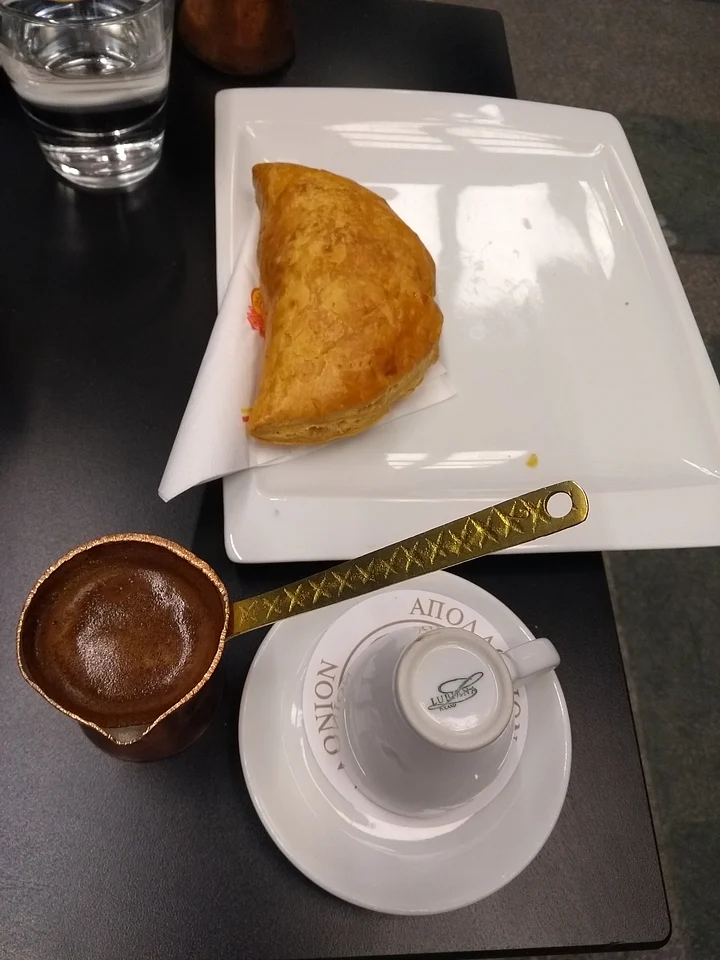
- 01/09The traditional grainy Greek coffee served with a cheese pie. (Photo: Suktara Ghosh)

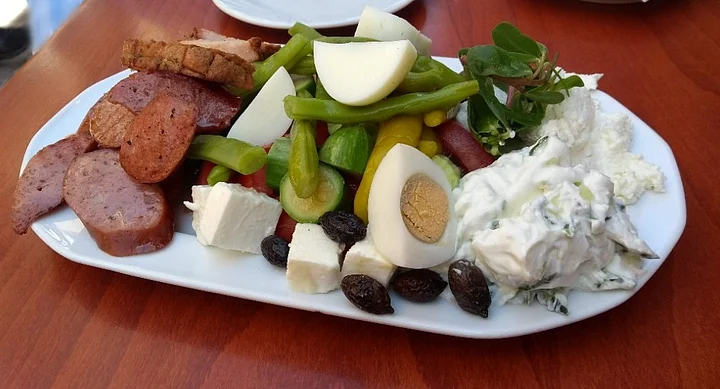
- 02/09A cheese and meat platter makes for a filling brunch. (Photo: Suktara Ghosh)
- 03/09The souvlaki is a popular street food.(Photo courtesy: Facebook)
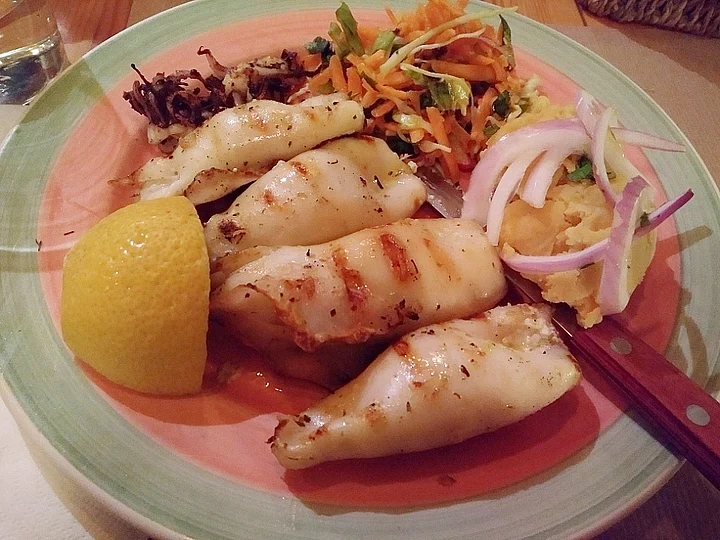
- 04/09In the mood for some stuffed squids?(Photo: Suktara Ghosh)
- 05/09Sheep yoghurt with honey is all about the beauty in simplicity. (Photo: Suktara Ghosh)
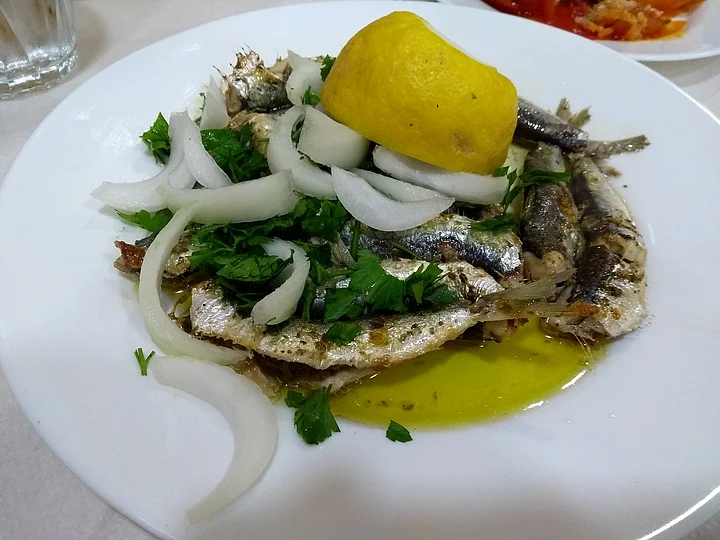
- 06/09A sardine curry garnished with onions and lime.(Photo: Suktara Ghosh)
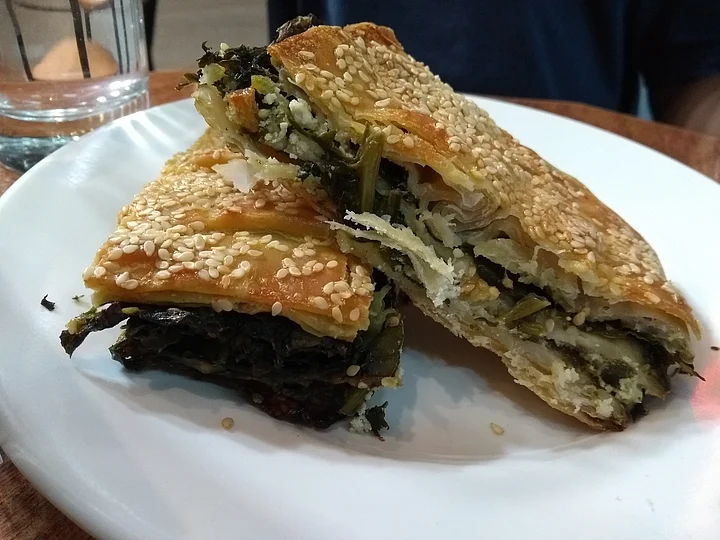
- 07/09The spanakopita or Greek spinach pie. (Photo: Suktara Ghosh)
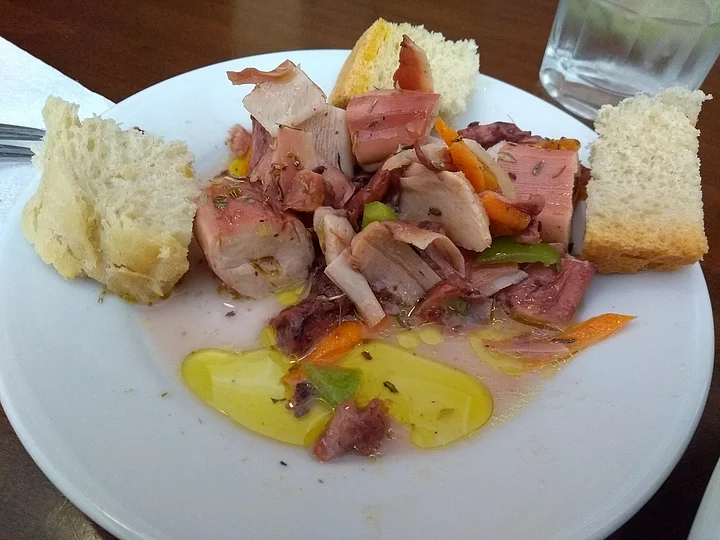
- 08/09Grilled octopus lightly doused with olive oil and accompanied with bread is sheer delight.(Photo: Suktara Ghosh)
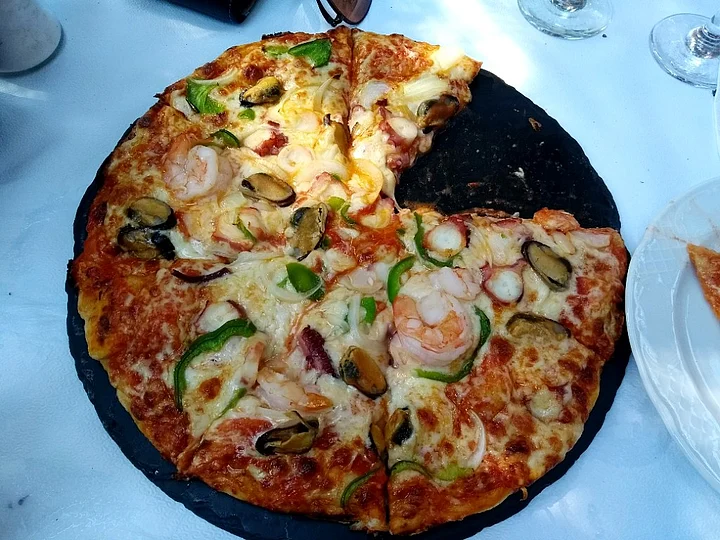
- 09/09A seafood pizza. (Photo: Suktara Ghosh)