
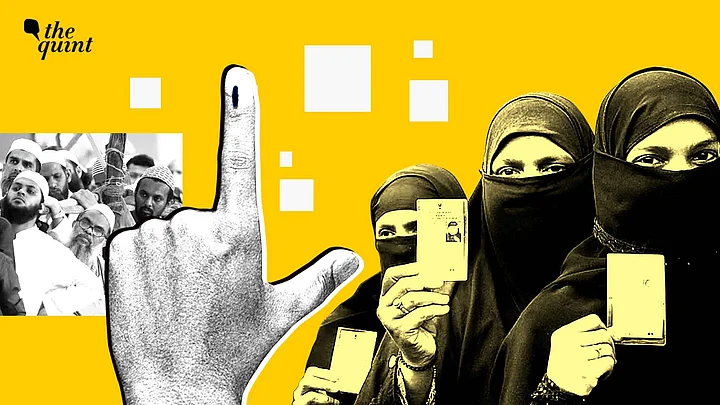
On the morning of 23 April, people in their checked lungis, carrying plastic folders stuffed with papers, arrived early and patiently waited for their turn to vote at the stationary shop on the way to Chakulia High School in Uttar Dinajpur district of West Bengal.
Unlike in previous elections, most voters, before casting their ballots, made copies of the voter information slip that they had received from their booth level officers a day or two earlier.
In the past, locals would never save such documents. But this time, they had seen Facebook and Youtube videos on their mobile phones or heard at a local tea shop that during polling, the presiding officer would take the voter slip, and that they must keep a record to prove their status as a 'valid voter' in the 2026 Assembly elections—and thus effectively an Indian citizen.
Mansur, a local mason in his 50s, while waiting in the queue, said to me jokingly:
“If you are a Muslim in West Bengal, then keep all the government papers of the past 20 years and whatever you get for the next 20 years. What if one day they declare you are not a citizen?”