
Tata’s Power Struggle: Everyone Is Losing, Especially The Brand
The credibility and trust of the Tata name is wearing thin.
advertisement
What’s common across war, love, and business? All three evoke visceral responses to win at any cost. Something similar is happening in Tata Trusts.
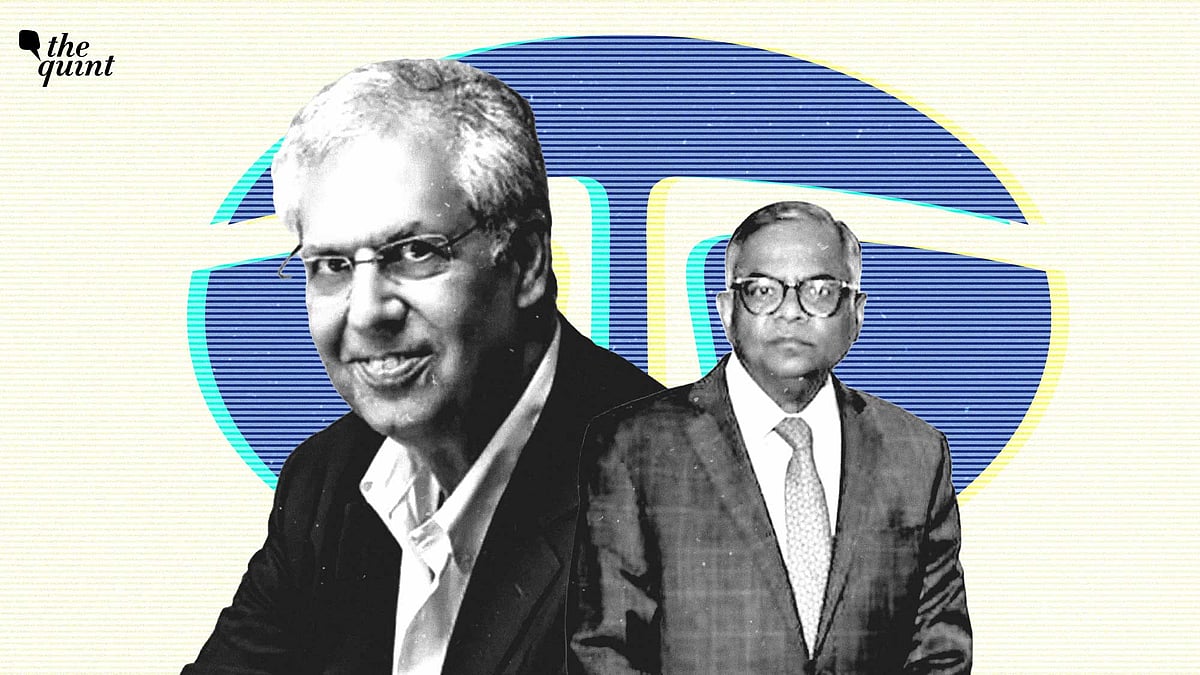
The credibility and trust, which the Tata name inspires, is wearing thin courtesy grubby tactics adopted by inheritors of the Tata mantle. To be fair, Noel never had a chance. Ratan Tata forgot to pave the way for him to take over his eminent position within the Tata Trusts and Tata Sons.
The split nomination of Tata Trust Directors to Tata Sons, and professionalisation of the post of Chairman Tata Sons, reduced Noel and future inheritors to just one of the several scrambling for power. The appointment of Venu Srinivasan as Vice Chair Tata Trusts and co-nominee Director Tata Sons poses a significant hurdle.
A Succession Battle Without a Clear Successor
Sadly, Noel Tata also failed to strategise and bide his time. By refusing to allow Tata Sons to get listed per the Reserve Bank of India's (RBI) directions, he precipitated an untimely public clash with Venu Srinivasan and Chairman Tata Sons, N Chandrasekaran. Noel suffered the humiliation of being completely isolated in opposing the reappointment of N Chandrasekaran as Chairman Tata Sons in the 17 September board meeting.
Noel’s second play, disclosed on 29 September, is to merge two private Tata companies, TESS and TEC, into Tata Sons. Two “markers” distinguish a Core Investment Company (CIC) and a Non-Banking Financial Company (NBFC) from an operational company. CICs and NBFCs directly manage predominantly financial investments: not less than 90 per cent of the value of their assets must be financial assets, while not less than 50 per cent of their income must come from financial assets.
The proposed merger would reduce the share of financial assets—investments in downstream Tata companies—to below 90 per cent of the value of the merged assets, while revenue from such assets would fall well below 50 per cent of the merged company’s total income.
The High Stakes Of Staying Private
Noel appears to have decided to cut his losses, look ahead and hope to retain a future, even at the cost of sacrificing his present. Conceding on N Chandrasekhar’s reappointment and shifting his ask to just avoid listing has advantages.
It preserves the control of Tata Trusts over Tata Sons which would otherwise get diluted through listing via an open offer of a minimum 25 percent of shares over ten years. If nothing else changes, Tata Trusts holding would decrease to 52.8 percent (from 66 percent today) leaving a wafer-thin majority.
Discord within a board has never done a company’s public profile any good. Attempts by both warring sides to influence public sentiment — through scurrilous social media posts and news reports about how many close relatives of N Chandrasekaran are employed at Tata Consultancy Services (TCS), a company he worked at for three decades, and unsubstantiated reports about financial dealings between N Chandrasekaran’s son and Venu Srinivasan — are just some of the skeletons tumbling out of Bombay House cupboards.
A Tarnished Tata Legacy
So, who is winning in this downward-spiralling endgame? The clear loser is the Tata brand, which is developing warts with every round of bloodletting. N Chandrasekaran had earlier adopted a high-minded stance that he would not offer himself for reappointment as Chairman unless there was unanimity within Tata Trusts about his continuance. In retrospect, it was a ploy to develop majority support for his reappointment. That high-minded stance has now been replaced by a business-like, back-scratching arrangement among Noel’s detractors.
Noel Tata doesn’t come out smelling of roses either. The latest gambit of proposing the merger of TESS and TEC into Tata Sons is little more than a desperate financial rearrangement of operational assets to avoid attracting the Reserve Bank of India’s regulatory requirements for the listing of NBFCs and CICs, and the consequential dilution of Tata control.
Fighting to remain privately owned despite high-decibel intra-board discord shows a reluctance to shine cleansing sunlight on murky corporate governance. A mighty fall for the once much-admired occupants of Bombay House.
(The author is distinguished fellow Chintan Research Foundation and was previously in the IAS and the World Bank. This is an opinion piece and the views expressed are the author's own. The Quint does not endorse or is responsible for them.)
- Access to all paywalled content on site
- Ad-free experience across The Quint
- Early previews of our Special Projects
Published: undefined