
Why Sonam Wangchuk's Fast has Sparked a Wave of Instagram Activism
There is a strong sentiment among young, liberal audiences asking influencers to speak up or face being unfollowed.
advertisement
Social media has recently been flooded with reels and posts expressing concern for Sonam Wangchuk’s health and in solidarity with the protest led by Abhijeet Dipke’s Cockroach Janta Party (CJP). The Ramon Magsaysay Award winner, along with several students, has been on an indefinite sit-in at Delhi’s Jantar Mantar for the last 18 days. In the process, he has lost almost 9 kg of weight with plummeting blood pressure and unstable blood sugar levels.
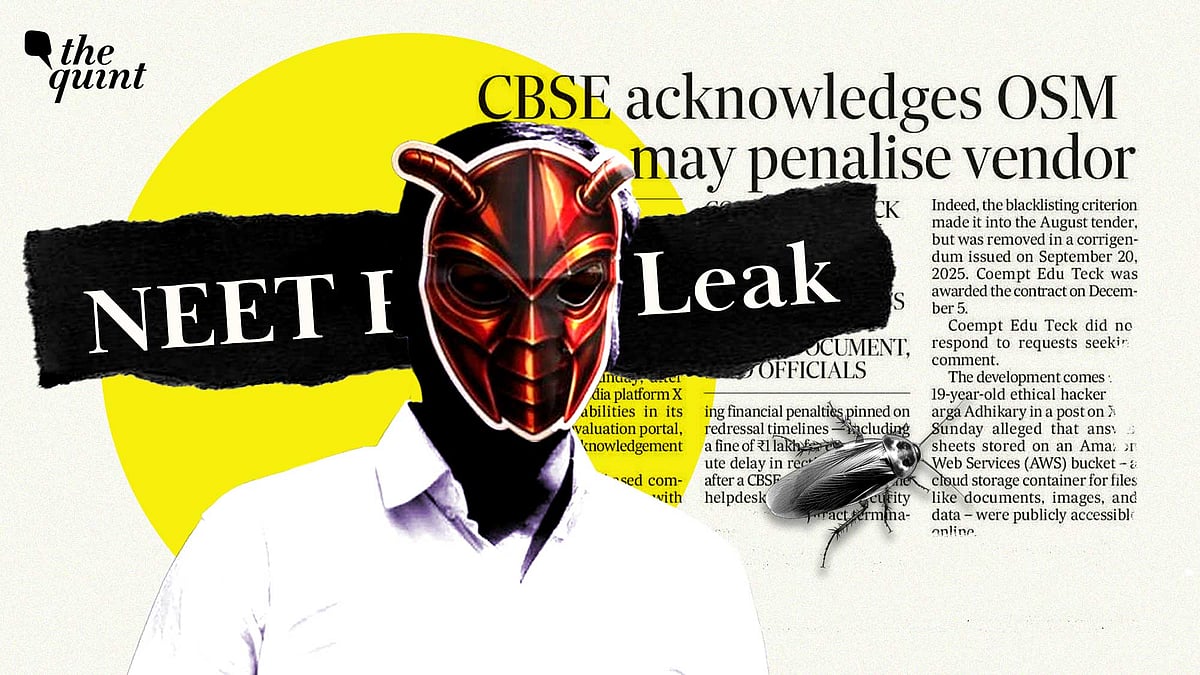
Over 20 NEET aspirants have died by suicide since the leak was exposed—hardworking, young students who spent years preparing for an exam that was sold. If these micro-nano influencers were serious about the cause of education, logically they would have spoken about it before, for it’s been more than two weeks of the indefinite sit-in. Updates on Wangchuk’s deteriorating health have been no secret, yet the massive wave of Instagram reels only crashed down recently.
Why Now?
As someone who has observed the movement closely on the ground at Jantar Mantar, I attribute this to a larger bandwagon effect. Three plausible reasons explain this sudden outburst of sympathy (re: reels).
This ‘unfollow movement’ is primarily driven by a younger audience who cannot make it to Jantar Mantar due to geographical constraints or fear of surveillance (especially true for young women). They see this as doing their part to contribute to this movement.
Second, with Sonam Wangchuk’s health deteriorating, the narrative has, to some extent, shifted from being about the NEET paper leak and accountability to urging the government to have a dialogue with protesters and ensure the survival of Wangchuk.
Third, with the protest entering its final stage, posting a video is a low-effort win-win situation for many of these people. If the government yields to the cockroaches and Education Minister Dharmendra Pradhan is indeed sacked, they can claim the moral high ground and thump their chests, claiming to be on the right side of history.
Conversely, if Sonam Wangchuk’s health deteriorates further and he is hospitalised, forcing him to end his hunger strike, they still have an escape, a saving grace that they tried and were not silent. The outcome does not matter; the content has already been made. A reel in this sense also becomes a mechanism for these influencers to shrug off any real solidarity and avoid actually showing up for the protest.
The Theatre Of Modern Indian Protest
One of the biggest problems (and strengths) of CJP has been that, barring a few sincere supporters, it is driven by content and virality. Take a stroll at Jantar Mantar, and dozens of people will shove mics and cameras in your face, asking the same set of questions, hoping that their reel will go viral and amass a million views.
Two questions will now define the fate of this movement: will the current wave of reels and activism via social media put any pressure on the Narendra Modi government, nudging it to act? Secondly, on the parliament march called by CJP for 20 July, out of 22 million followers, how many people will actually take to the streets?
In the theatre of modern Indian protest at Jantar Mantar, the views are guaranteed; the revolution remains to be seen.
(Harsh Mamnani is an independent researcher and reporter. He holds a Master's degree in Political Science with a specialisation in International Relations from Jawaharlal Nehru University.
- Access to all paywalled content on site
- Ad-free experience across The Quint
- Early previews of our Special Projects
Published: undefined