From Tilak to Neha Bora: Whose Peace Do Peace Bonds Really Keep?
From Tilak to Neha Bora, peace bonds reveal how preventive law continues to shape the state’s response to dissent.
advertisement
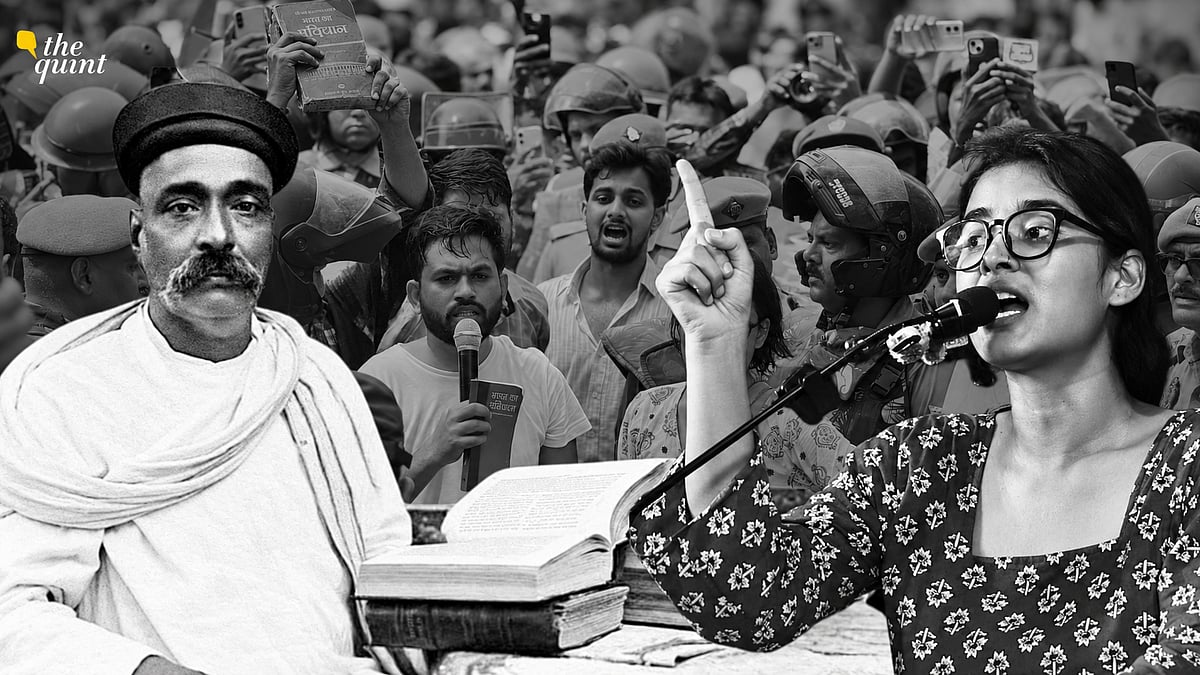
Exactly 110 years ago, in 1916, India was under British rule. Bal Gangadhar Tilak was travelling across the country, making speeches, demanding a 'regime change', and advocating Swaraj. Of course, the British government wasn't happy. The authorities invoked a preventive provision of the Criminal Procedure Code that required Tilak to furnish a bond to "keep the peace", with two sureties of 10,000 rupees each, promising "good behaviour" for one year. Tilak challenged the order in the Bombay High Court. And guess who represented him?
Muhammad Ali Jinnah. Yes, the very same Jinnah who would later become the founder of Pakistan.
On 9 November 1916, a two-judge bench comprising British judge Stanley Batchelor and Indian judge Shah set aside the order and held that advocating Swaraj was not, by itself, unlawful.
As we are just days away from marking the 110th anniversary of this historic order, something similar has played out in the national capital in the past few weeks, with a similar term flashing across TV news channels and your reels — 'peace bond'.
CJP leader Abhijeet Dipke signed a peace bond undertaking to maintain peace for one year. All India Students' Association president Neha Bora has been asked to furnish a 10,000-rupee peace bond, with one surety, following their participation in the anti-SIR protests. Bora challenged the notice in the Delhi High Court. But unlike the Bombay HC under British rule, which ruled in favour of Tilak, the Delhi HC under BJP rule rejected Bora's challenge, although it ordered procedural safeguards and disclosure of evidence. We'll come to the Delhi HC's reasons later, but for now, Bora has refused to sign the bond.
The peace bond has had a long history in British colonial law and, eventually, in the CrPC as well as the BNSS, irrespective of whether the Congress or the BJP has been in power at the Centre.
A peace bond is essentially a legal undertaking to maintain public peace for a specified period. Unlike a punishment imposed after a criminal conviction, it is a preventive measure. The authorities do not necessarily have to establish that you have committed a crime. Instead, a magistrate can initiate proceedings if there are sufficient grounds to believe you are likely to cause a breach of the peace. Following the prescribed inquiry, you may be ordered to execute a bond, potentially with financial sureties.
Failure to furnish a lawfully ordered bond can, in certain circumstances, result in detention. And that's what makes this provision so significant.
The concept originated in England, where authorities could require individuals to provide security for keeping the King's peace. British colonial administrators brought similar powers into Indian criminal procedure during the nineteenth century. By the time the Criminal Procedure Code of 1898 came into force, Chapter VIII provided two related forms of security. Section 107 dealt with bonds for keeping the peace. Section 108 dealt with bonds for good behaviour, including those imposed on people accused of disseminating seditious material.
Tilak's case fell under Section 108, while today's peace-bond proceedings descend from Section 107. The provisions were legally distinct, but both allowed preventive restrictions without first securing a criminal conviction. And Tilak wasn't the only freedom fighter to face such proceedings. In colonial India, then, preventive-security provisions were among the legal instruments available to authorities seeking to control nationalist mobilisation.
You might expect such powers to have disappeared after 1947. But they didn't. The colonial CrPC of 1898 remained in operation for decades.
In August 1970, socialist leader and sitting MP Madhu Limaye was asked to furnish a 5,000-rupee peace bond in Uttar Pradesh. He refused, was jailed, and subsequently challenged the proceedings. The Supreme Court held his detention unlawful. In 1974, under a Congress government in Bihar, Section 107 was invoked against supporters of the JP student agitation. And in 1982, during Indira Gandhi's tenure, Delhi Police arrested Akali Dal leader Jaspal Singh under Sections 107 and 151, alleging that he might disrupt the Asian Games.
The BJP hasn't been an exception. In 2007, under Shivraj Singh Chouhan's government in Madhya Pradesh, Narmada Bachao Andolan leader Medha Patkar and fellow protesters were jailed after refusing peace bonds. The High Court subsequently declared the detention unlawful. In 2018, hundreds of farmers in Mandsaur were asked to sign Section 107 bonds ahead of the anniversary of the police firing that had killed protesters the previous year. In 2020, under Yogi Adityanath's government, 66 men in Kanpur were asked to furnish bonds of two lakh rupees simply because their female relatives were participating in anti-CAA protests and they were visiting the protest site. And in 2024, anti-CAA activists in BJP-ruled Assam reported receiving similar demands.
So, this wasn't a colonial law that simply disappeared after Independence. Successive governments continued to invoke it.
In 2023, the Narendra Modi government introduced three new criminal-law bills to replace the IPC, CrPC and Evidence Act. Home Minister Amit Shah repeatedly described the exercise as a break from colonial-era laws and the mentality behind them. But here's what changed when it came to peace bonds. The provision was retained in substantially similar language.
Which brings us back to October 2026. Neha Bora argues that the proceedings against them are an attempt to suppress peaceful dissent. The Delhi High Court found sufficient material for the Special Executive Magistrate to initiate the process, but directed that Bora receive the material relied upon and an opportunity to respond before any bond is ordered.
But the controversy raises a much larger question. In Delhi, Special Executive Magistrates exercising these powers are themselves police officers. That means the independence of the decision-making process becomes crucial. After all, maintaining public order is a legitimate responsibility of the state. But peaceful protest is also a constitutional right. And where exactly does the state draw the line between the two?
That is the constitutional and political question at the heart of the peace-bond controversy.
As senior journalist V Venkatesan has written for The Quint: "If Bora maintains her refusal after an enforceable final order, her stand would raise the further question of whether they accepts imprisonment as an act of civil disobedience."
110 years ago, Tilak questioned the British government's attempt to make him sign a bond. Today, Neha Bora is raising similar questions in independent India. Governments have changed, but the need to question those in power hasn't.