Sheikh Hasina Plans Land Border Return to Bangladesh; Clashes, Arson Reported
Sheikh Hasina considers returning to Bangladesh via the land border amid unrest and legal hurdles.
advertisement
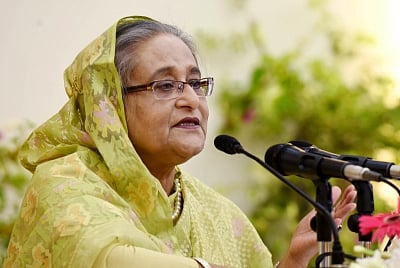
Ousted Bangladesh Prime Minister Sheikh Hasina has announced her intention to return to Bangladesh on 16 December, the country’s Victory Day. She is considering crossing into Bangladesh via a land border checkpoint, as her diplomatic passport was revoked and her national identity card deactivated following her removal from office in August 2024. Hasina has been residing in India since her ouster and faces a death sentence in Bangladesh.
According to The Indian Express, Hasina’s supporters and Awami League leaders have surveyed several border entry points along West Bengal and Tripura, with the Petrapole-Benapole crossing identified as a possible route. Petrapole is South Asia’s largest land port, while Benapole is Bangladesh’s largest, making this corridor significant for both trade and cross-border movement.
As reported by Hindustan Times, Hasina’s planned return has triggered widespread unrest in Bangladesh. Security has been heightened across several districts, with incidents of arson, crude bomb blasts, and clashes reported. In Gopalganj, Hasina’s hometown, authorities have closed markets and suspended bus services due to fears of violence.
Legal and diplomatic challenges complicate Hasina’s return. Analysis showed that Bangladesh revoked Hasina’s diplomatic passport on 22 August 2024 and her national identity card on 16 February 2025. Without valid travel documents, Hasina cannot board a flight, making the land route her primary option. Her lawyers have requested new documents from the Bangladesh High Commission in New Delhi, but the government has not issued them.
“Why would I ask another country to extradite me when I have already decided to return voluntarily?” Sheikh Hasina stated on 16 November, as cited in official communications.
Political violence has escalated since Hasina’s announcement. Coverage revealed that over 120 platoons of Border Guard Bangladesh personnel have been deployed across seven districts, including Dhaka and Gopalganj. Multiple arson attacks have targeted homes of former Awami League lawmakers, and crude bombs have exploded in several urban areas.
Bangladesh’s government, led by Prime Minister Tarique Rahman, insists that Hasina can only return through extradition, not as a regular citizen. Reporting indicated that officials cite passport laws barring issuance to convicted fugitives, though legal experts argue these laws are designed to control departures, not prevent nationals from returning.
India has stated that Hasina’s extradition is a legal matter and will be handled accordingly. Following reports, India has not created any impediment to her voluntary return, with the lack of Bangladeshi travel documents being the main obstacle.
“Extradition of former Prime Minister of Bangladesh Sheikh Hasina is a legal matter and it will be dealt with accordingly… Obviously, for the travel of people, you need a travel document,” said Randhir Jaiswal, spokesperson for India’s Ministry of External Affairs.
December 16, the date chosen by Hasina, holds symbolic significance as Bangladesh’s Victory Day, marking the end of the 1971 Liberation War. Details emerged that her return plan has intensified political tensions, with rival parties preparing rallies and the Awami League’s activities remaining banned.
At the end of November, the situation remains volatile. As details emerged, authorities continue to monitor the situation closely, with further unrest possible as the planned return date approaches.
Note: This article is produced using AI-assisted tools and is based on publicly available information. It has been reviewed by The Quint's editorial team before publishing.