Saudi-Houthi Escalation: Missile Strikes, Air Alerts, and Regional Fallout
Fighting between Saudi forces and Yemen’s Houthi rebels has intensified amid renewed hostilities.
advertisement
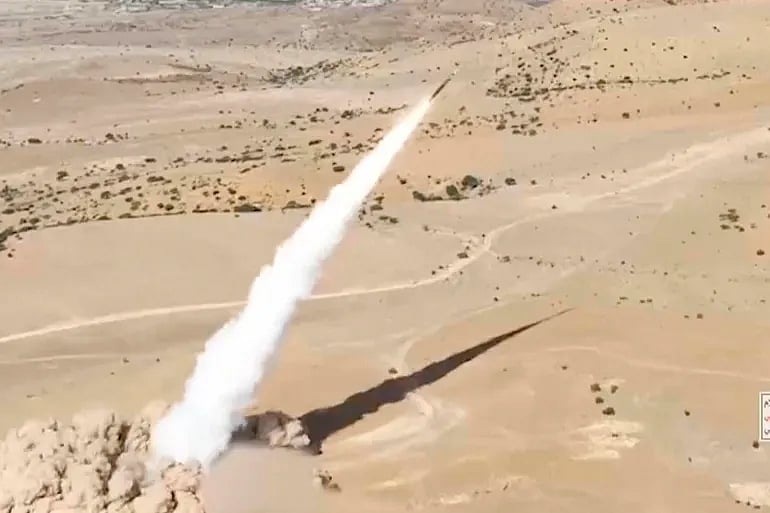
On 19 September 2026, Saudi Arabia confirmed that Yemen’s Houthi rebels attempted to strike Riyadh with a ballistic missile, marking the first such attack on the capital since the recent escalation in hostilities. The missile was intercepted, and no casualties or damage were reported. The incident led to emergency alerts in Riyadh and disruptions at King Khalid International Airport, with smoke observed near the site. The escalation follows intensified fighting between Saudi forces and the Iran-backed Houthis.
According to Hindustan Times, Saudi authorities issued a “hostile aerial threat” warning and activated emergency protocols across the kingdom, including the first alert in Riyadh since the conflict intensified. Residents near the airport reported hearing explosions and witnessing plumes of smoke, though officials confirmed there were no casualties or significant damage.
As reported by The Hindu, the Saudi-led coalition stated that the missile targeting Riyadh was intercepted, and additional attempted attacks on Yanbu, Taif, Baysh, and Farasan were also thwarted. The Houthis claimed responsibility for the attacks, asserting they targeted “sensitive sites” in Riyadh and Saudi oil infrastructure, though these claims could not be independently verified.
Flight disruptions occurred at Riyadh’s King Khalid International Airport, with major delays and cancellations reported. The impact extended internationally, as Etihad Airways cancelled its Delhi-Abu Dhabi flight due to the situation. The Saudi Civil Defense declared the immediate danger over after the interception, but the incident highlighted the vulnerability of civilian infrastructure to the ongoing conflict.
Regional security concerns prompted the United States to issue a travel advisory, warning of the potential for “unforeseen escalation” and urging American citizens to reconsider travel to the Gulf and surrounding areas. The advisory cited risks of flight cancellations, airspace closures, and attacks on civilian airports, reflecting the broader impact of the Saudi-Houthi conflict on international travel and security.
“Due to tensions in the Middle East, the security environment remains complex with the potential for unforeseen escalation,” the US State Department advisory stated.
Turkey’s Foreign Minister Hakan Fidan indicated readiness to support Saudi Arabia militarily under a trilateral defence pact with Pakistan, citing the severity of Houthi attacks on Saudi territory. As highlighted by Hindustan Times, Turkey condemned the Houthi attacks and reaffirmed its commitment to the alliance, while Pakistan clarified it would act if necessary under the agreement.
Recent fighting has also intensified within Yemen, with Houthi forces advancing along the Red Sea coast and seizing strategic locations, including the port city of Mokha and positions near the Bab el-Mandeb Strait. Reporting indicated that these developments have increased pressure on Saudi oil infrastructure and global shipping routes.
Diplomatic responses have been shaped by broader regional dynamics. Analysis showed that the recent BRICS New Delhi Declaration notably omitted direct reference to the Yemen conflict, despite ongoing Houthi strikes and a blockade on Saudi shipping. This omission is seen as reflecting evolving positions among Gulf Arab states and their engagement with Iran for regional stability.
“The actual positions of Arab states will ultimately be determined by the contours of the ongoing conflict of the region,” the analysis noted.
Air travel disruptions were further confirmed as coverage revealed that Riyadh’s airport faced major operational issues, with cancellations and delays following the missile attack. The incident underscores the far-reaching consequences of the Saudi-Houthi conflict for both regional security and international mobility.
Note: This article is produced using AI-assisted tools and is based on publicly available information. It has been reviewed by The Quint's editorial team before publishing.