Former Delhi Chief Secretary Rakesh Mehta Dies By Suicide At Noida Residence
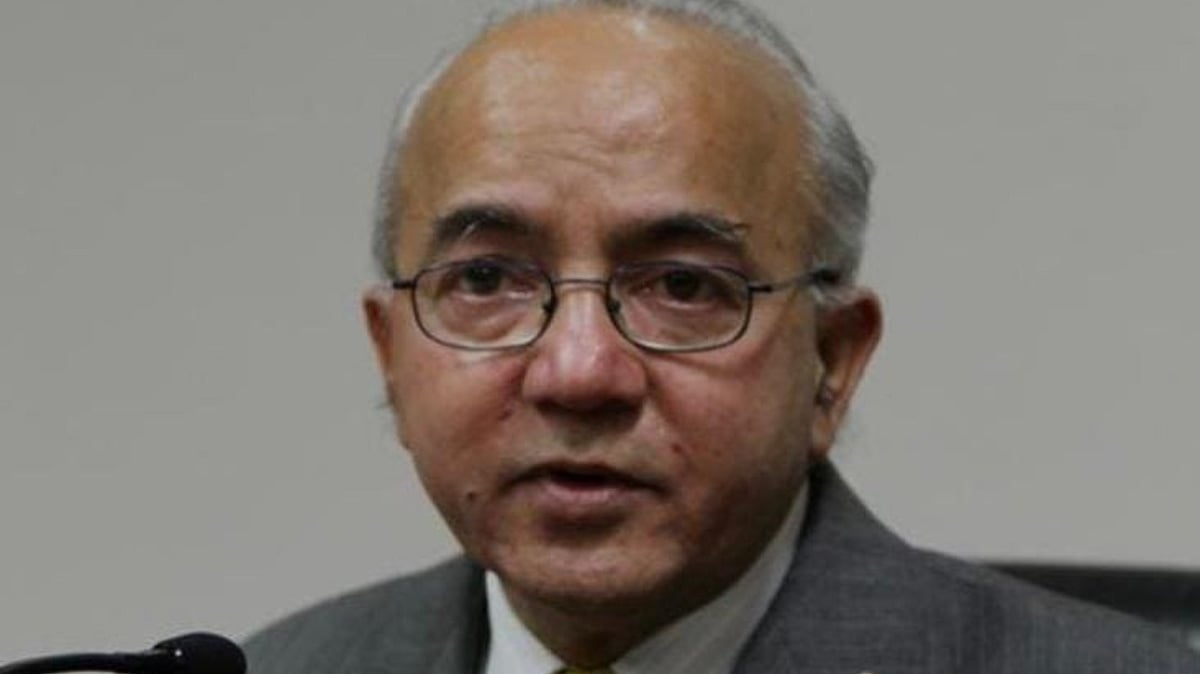
Former Delhi Chief Secretary Rakesh Mehta, 74, died by suicide at his Noida residence, citing prolonged illness.
advertisement
Former Delhi Chief Secretary Rakesh Mehta was found dead at his Noida residence on 8 September 2026. He was 74 years old and had been living alone in a rented apartment in Sector 82, Noida. Police recovered a note at the scene in which Mehta cited prolonged illness as the reason for his decision and stated that no one was responsible for his death. His family conducted the last rites at Lodhi Road crematorium in Delhi on 9 September 2026.
According to Hindustan Times, Mehta was a 1975-batch Indian Administrative Service officer who served in several senior roles in the Delhi government and the Municipal Corporation of Delhi. He was known for his work on reforms in transport, power, and civic administration, including the introduction of low-floor buses and the privatisation of electricity distribution in Delhi.
As reported by The Hindu, Mehta’s wife, also a retired IAS officer, resides in Dehradun with their children. She last spoke to him on the night before his death and, unable to reach him the following day, requested the society’s security to check on him. Police were informed around 1:30 pm and found Mehta deceased at his home. The note recovered at the scene referenced his ongoing health issues, including hypertension and diabetes.
Coverage revealed that Mehta’s administrative career spanned over three decades. He served as Delhi’s Chief Secretary from 2007 to November 2010, a period that included preparations for the 2010 Commonwealth Games. During his tenure as principal secretary (transport), he played a key role in phasing out Blueline buses and modernising the city’s public transport system.
Mehta’s colleagues described him as an officer open to new policies and committed to administrative reforms as details emerged. Former Delhi minister Arvinder Singh Lovely and former chief secretary Ramesh Negi credited Mehta with introducing the unit area method for property tax calculation and the privatisation of sanitation services in the MCD, which were seen as significant steps in reducing corruption and improving civic services.
“He was above bureaucratic lethargy and was never hesitant in implementing and executing new projects and ideas,” Ramesh Negi stated, reflecting on Mehta’s approach to governance.
Police officials stated that the body was sent for postmortem examination and subsequently handed over to the family. Further investigation into the circumstances surrounding Mehta’s death is ongoing, but the note left at the scene indicated that his decision was due to health reasons and that no foul play was suspected.
Mehta’s educational background included studies at St Stephen’s College, Jawaharlal Nehru University, and the London School of Economics. Analysis showed that he continued to live alone in Noida after retirement, while his immediate family remained in Dehradun.
“He was always open to implementing new policies and ideas. He was a very good officer,” Arvinder Singh Lovely recalled.
Mehta’s tenure as Power Secretary saw the privatisation of electricity distribution, which was considered a major administrative and economic reform in Delhi. Reporting indicated that his contributions to civic administration, including changes to tax and sanitation systems, had a lasting impact on the city’s governance.
Note: This article is produced using AI-assisted tools and is based on publicly available information. It has been reviewed by The Quint's editorial team before publishing.